Letter from the Managing Director of Communications & Policy
 Dear Reader,
Welcome to the third issue of Beyond Housing, a space for solutions-driven dialogue about family homelessness. In this edition, featuring perspectives from Lotus House in Miami, Mary’s Place in Seattle, Homes for the Homeless (HFH) in New York City, and SchoolHouse Connection, a national organization, we explore how housing instability shapes children’s development, education, and well-being from infancy through young adulthood.
In a Q&A with Shana Cox of Lotus House in Miami, we examine the mental health needs of children and youth in shelter and highlight the evidence-based interventions that can improve long-term outcomes.
“The Foundation Years” examines how homelessness during the first years of life—when brain development, health, and attachment are most critical—can create lasting risks, while also highlighting how early learning access, family support services, and prevention efforts can change a child’s trajectory before kindergarten begins.
In “Childhood Milestones and Missed Moments,” we look at how routine, school stability, and access to enrichment during the primary school years protect learning, social development, and confidence—and how shelter-based programs can serve as essential stabilizing supports.
“From High School to Higher Education” explores the often-hidden barriers students experiencing homelessness face on the path to college, from financial aid documentation to basic living supplies, and highlights the school and campus partnerships helping more students enroll and succeed.
“Tech on the Tightrope” looks at how technology has become central to modern schooling, examining both its power to support learning and connection and the ways digital dependence, unequal access, and reduced in-person interaction can deepen challenges for students—especially those experiencing homelessness.
Together, these pieces remind us that in addition to policy and programs, it is coordinated systems and consistent, caring relationships that make opportunity real for young people experiencing homelessness.
This September, join us at the National Women’s Shelter Network (NWSN) Conference in Tucson, Arizona, where ICPH is sponsoring the Child/Youth track as part of our commitment to advancing conversations about the needs of families experiencing homelessness. We’d love to hear your thoughts. Connect with us on Instagram or LinkedIn, email us at Info@ICPH.org, or visit ICPH.org to learn more about our work.
Sincerely,
Linda Bazerjian
Managing Director of Communications & Policy
Institute for Children, Poverty & Homelessness (ICPH)
Homes for the Homeless (HFH)
Addressing the Mental Health Needs of Children and Youth in Shelter: A Q & A with Shana Cox, Chief Clinical Program Officer, Lotus House, Miami
Children and youth experiencing homelessness face unique challenges that can affect their mental health, development, and educational outcomes. The COVID-19 pandemic and increased screen time have heightened these challenges, making timely interventions more critical than ever. In this Q&A, we explore the factors affecting children’s well-being, shelter-based support, and evidence-based programs that help meet the mental and behavioral health needs of children and youth in shelters.
Q. There seems to be a consensus that the mental health of children and youth have been adversely affected by social media and social isolation during and post-COVID. What are your thoughts about this?
A. I think about it this way: the pandemic required people to embrace technology in new ways, but it also resulted in children and youth spending significantly more school and personal time utilizing screens. The line between school and personal time blurred, as children and youth often used social media during class. This likely affected both their mental health and educational outcomes.
Because social media shows users content tailored to their interests and previous activity, it can unintentionally reinforce and intensify preexisting mental health issues. Our research shows that children and youth in shelters are more likely to have developmental delays and mental health challenges. Increased screen time and social media use could therefore have a greater impact on their education and well-being than on children with stable housing.
Q. Does your research point to anything in terms of specific needs that should be addressed for children and youth experiencing homelessness?
A. While we have not specifically studied pandemic effects, our findings show high levels of developmental delays, trauma, mental health, and behavioral issues in sheltered children and high levels of trauma in mothers. Our research also shows that early intervention through the application of evidence-based assessments and dyadic therapies—which treat the child and caregiver together—can be effective in reducing these issues. These interventions can also reduce parenting stress and help parents become more attuned to their child’s developmental and emotional needs.
Q. What role does or should the shelter play?
A. Shelters have the opportunity to provide tremendously impactful services and intervene at a particularly vulnerable time for children and youth. Being attuned to their experience as they enter the shelter and during their stay can turn what could be the most difficult experience of their lives to an enriching one.
Young children can receive dyadic therapies that bolster their relationship with their caregiver. We know that a close and sensitive relationship with a caregiver is one of the most important buffers for a child or youth who has—or will experience—trauma.
For youth, Trauma Focused Cognitive Behavioral Therapy introduces relaxation techniques, the identification of thoughts and feelings (and how those are related to actions), and a method for confronting difficult past experiences with a caregiver’s and a professional’s support.
Additionally, the programming offered at a shelter can provide children and youth with positive, healthy activities that they may have not encountered otherwise, such as expression through art and music and physical activities such as dance and yoga.
Q. Can you point to any specific tactics or programs used at Lotus House or elsewhere that show potential or demonstrated positive impact on meeting the mental or behavioral health needs of this population?
A. We’ve found that using developmental screeners helps us identify potential delays early and connect children to supports that can truly change the trajectory of their education—and their future. Our pre- and post-assessments also show that the evidence-based interventions we provide have meaningful, positive outcomes for children and families in shelter.
These include:
- Parent-Child Interaction Therapy
- Trauma-Focused Cognitive Behavioral Therapy
- Child-Parent Psychotherapy
- Video-feedback Intervention for Positive Parenting
- Family Check-Up/Everyday Parenting
Q. How should children and youth be connected to the supports they need?
A. A shelter has a unique opportunity to intervene, however, not all shelters are equipped or funded to provide these services. At minimum, shelters should identify children’s needs and connect them to trusted community providers for assessment and intervention services.
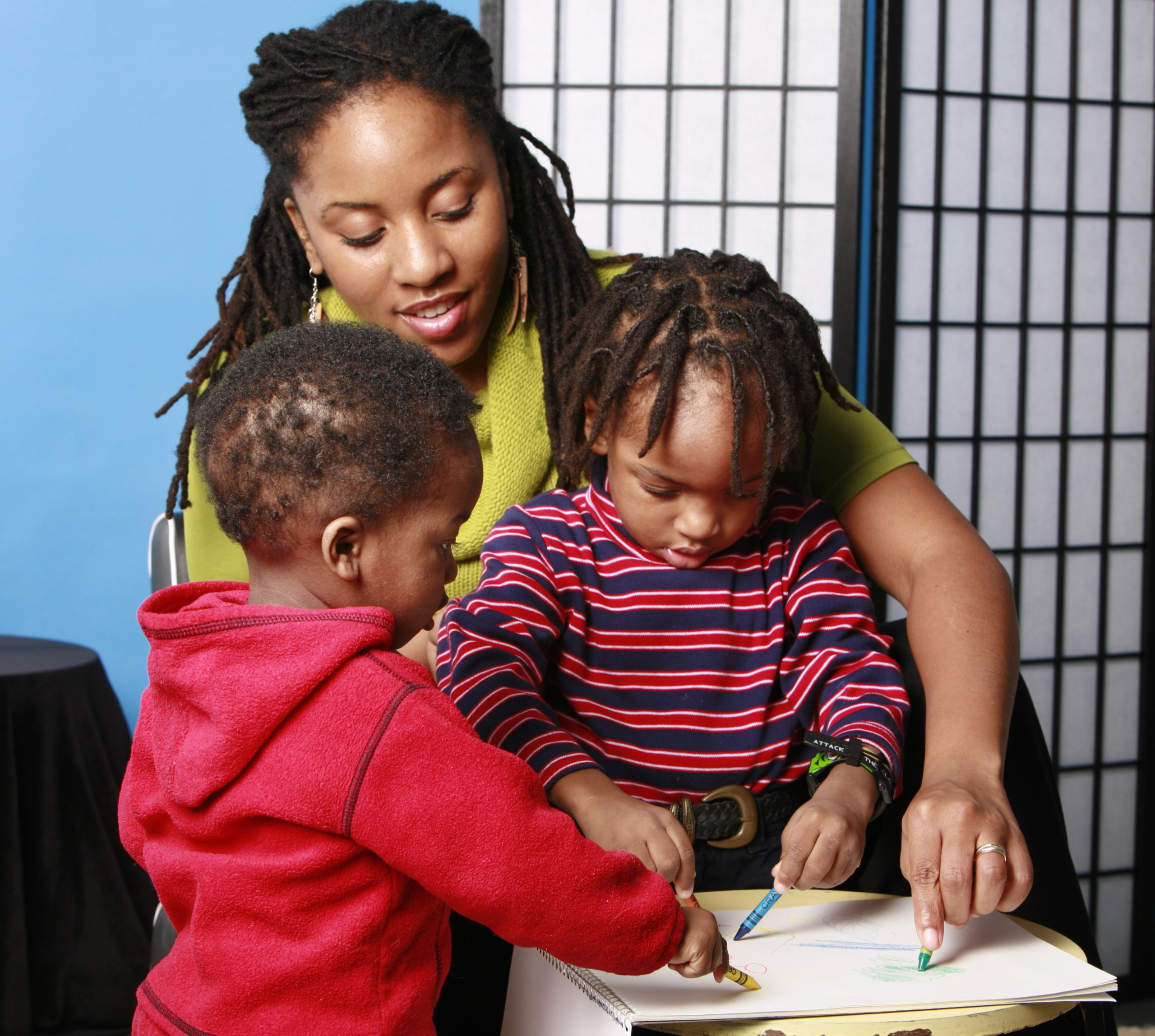
Shelters can play a pivotal role in supporting children and youth, either by providing direct interventions or by connecting families to trusted community resources. Evidence-based therapies, developmental screenings, and enriching programs not only address trauma and mental health but also strengthen caregiver-child relationships, ultimately shaping more positive developmental and educational outcomes. By prioritizing early intervention and holistic support, shelters can transform a period of crisis into an opportunity for growth and resilience.
For more information, refer to the research articles at LotusHouse.org. In September, ICPH is sponsoring the Children/Youth learning track at the 2026 NWSN Conference where Dr. Shana Cox and Dr. Paulo Graziano will share more details about the assessments and interventions in a breakout session. Learn more at TheNWSNConference.org.
The Foundation Years: Ensuring Educational Access For Young Children Experiencing Homelessness
By Linda Mitchell

Before a child’s first day of kindergarten, the earliest years of life establish the foundation for everything that follows. For the hundreds of thousands of infants, toddlers, and preschoolers experiencing homelessness across our nation, these critical developmental windows are clouded by instability and barriers to the very services designed to help them thrive.
The numbers tell a sobering story. Nearly 450,000 infants and toddlers experienced homelessness in the 2022–2023 school year. Perhaps most striking: one in 18 children under age six experiences family homelessness annually in the United States, with infancy being the age at which a person is most likely to live in a shelter.

The Earliest Impacts: Prenatal Through Preschool
The effects of homelessness start even before birth. Pregnant people experiencing homelessness face major barriers to getting prenatal care, such as lack of transportation, discrimination from healthcare providers, and the chaos of unstable housing. These effects are tangible and long-lasting. Children whose mothers experienced homelessness during pregnancy are more likely to be born premature and with low birth weight. These early health issues lead to long-term problems: higher rates of asthma, vision and hearing problems, gastrointestinal issues, and a greater risk of infections.
Infants experiencing homelessness continue to face elevated health risks. During their first year of life, they are more frequently diagnosed with respiratory infections, fever, and allergies compared to housed infants. Research published in Health Affairs in 2019 tracked children through age six and found that those who experienced homelessness as infants continued to have higher rates of asthma, used emergency departments more frequently, and had significantly higher annual healthcare spending than their housed peers.
Beyond physical health, homelessness significantly affects early childhood development. Ninety percent of a child’s brain develops before age five. When children face homelessness during this crucial time, it can cause toxic stress, adverse childhood experiences, disruptions in executive functioning, emotional regulation difficulties, and learning setbacks.
The statistics are stark. Nearly 50% of children under age four who are homeless show developmental delays—compared to about 12-16% of children in stable housing. These children experience three to four times the rate of developmental delays as their housed peers, especially in language, social skills, and motor development. Children experiencing homelessness are sick four times more often than their housed peers and are three times more likely to experience anxiety, depression, and behavioral health issues.
Harvard University’s Center on the Developing Child terms these developmental delays and increased experiences of sickness “toxic stress”—a prolonged activation of the body’s stress response system that can disrupt brain architecture during its most critical developmental period. The first three years represent a period of unparalleled brain development, when rapid neural connections form the foundation for all future learning, behavior, and health. By age five, more than half of children experiencing homelessness have moved three or more times, creating instability that makes it harder to build relationships and feel secure.
Barriers to Early Education Access
Despite clear evidence that high-quality early childhood education can lessen many harmful effects of homelessness, families experiencing homelessness face numerous obstacles in accessing these essential services. Mothers who have experienced homelessness are less likely to use subsidized childcare than those at risk of homelessness or with stable housing. Documented barriers include lack of required documentation, frequent moves, lack of transportation, long waiting lists, and limited awareness and outreach by providers.
The documentation requirements alone can be overwhelming. Birth certificates, immunization records, proof of address, and other paperwork become almost impossible to keep up with when moving frequently between temporary situations. For families fleeing domestic violence or those whose belongings have been lost, stolen, or left behind, collecting these documents presents a significant obstacle.
Federal Protections and Head Start
Head Start and Early Head Start programs are the federal government’s main investment in early childhood education for low-income families. According to federal law, children experiencing homelessness (defined as those who lack a fixed, regular, and adequate nighttime residence) are automatically eligible for these programs and must be given priority for enrollment. Head Start programs can set aside up to 3% of their funded enrollment slots specifically for families experiencing homelessness.
While Head Start regulations require programs to be flexible with families experiencing homelessness—allowing enrollment to continue while gathering documentation and maintaining enrollment even when families move—implementation varies significantly across communities and programs.
Organizations like the Denise Louie Education Center in Seattle show what can happen when early childhood programs intentionally focus on the needs of vulnerable families. Founded in 1978 to meet the childcare needs of Asian garment workers in Seattle’s International District, Denise Louie has grown to serve over 1,100 children and families each year through Head Start, Early Head Start, infant and toddler care, and home visiting programs.
Denise Louie explicitly prioritizes enrollment for children in foster care, homeless families, and children with special needs. They provide transportation services through ridesharing for enrolled homeless families, eliminating a barrier that prevents many from accessing services. Their multicultural approach—with staff fluent in multiple languages and a curriculum that respects and preserves each child’s cultural heritage and home language—recognizes that many families experiencing homelessness also face additional challenges, including immigration status and language barriers.
A mother’s testimonial highlights the program’s impact: “My family and I were homeless at the time when my daughter enrolled at Denise Louie Education Center. As a limited English speaker, they helped me navigate resources available to my family that I would not have known about otherwise, especially given the language barrier. Today, we have a place we call home, and my daughter is ready for kindergarten this fall.”
Meeting Families Where They Are
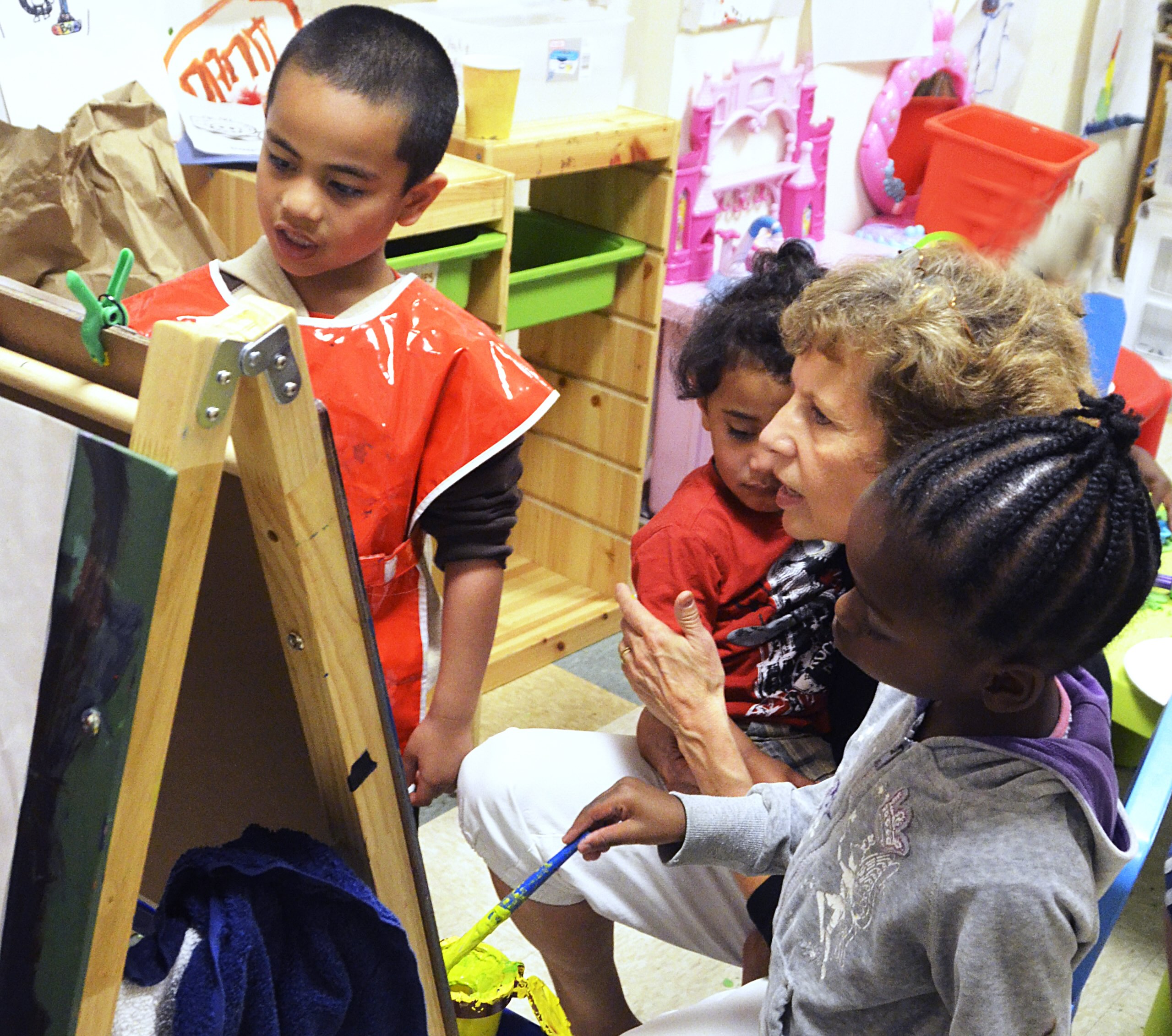
Mary’s Place, an organization providing shelter and services for families with children experiencing homelessness in Seattle, understands that these children need more than just a safe place to sleep—they require opportunities for healthy play, learning, and normalcy during an incredibly challenging time. The Youth Services team offers age-appropriate programs designed to support children’s development and create stability. For their youngest guests, Tots Club offers a nurturing environment where infants and toddlers can participate in developmentally appropriate play and early learning activities.
Partnerships with organizations like BrightSpark at the Allen Family Center further increase access to early learning. The Allen Family Center, operated by Mary’s Place, functions as a free, all-in-one resource hub for families in King County experiencing homelessness or housing instability. BrightSpark offers early learning programs directly at the center, removing transportation barriers and ensuring a smooth connection between housing stability and educational services.
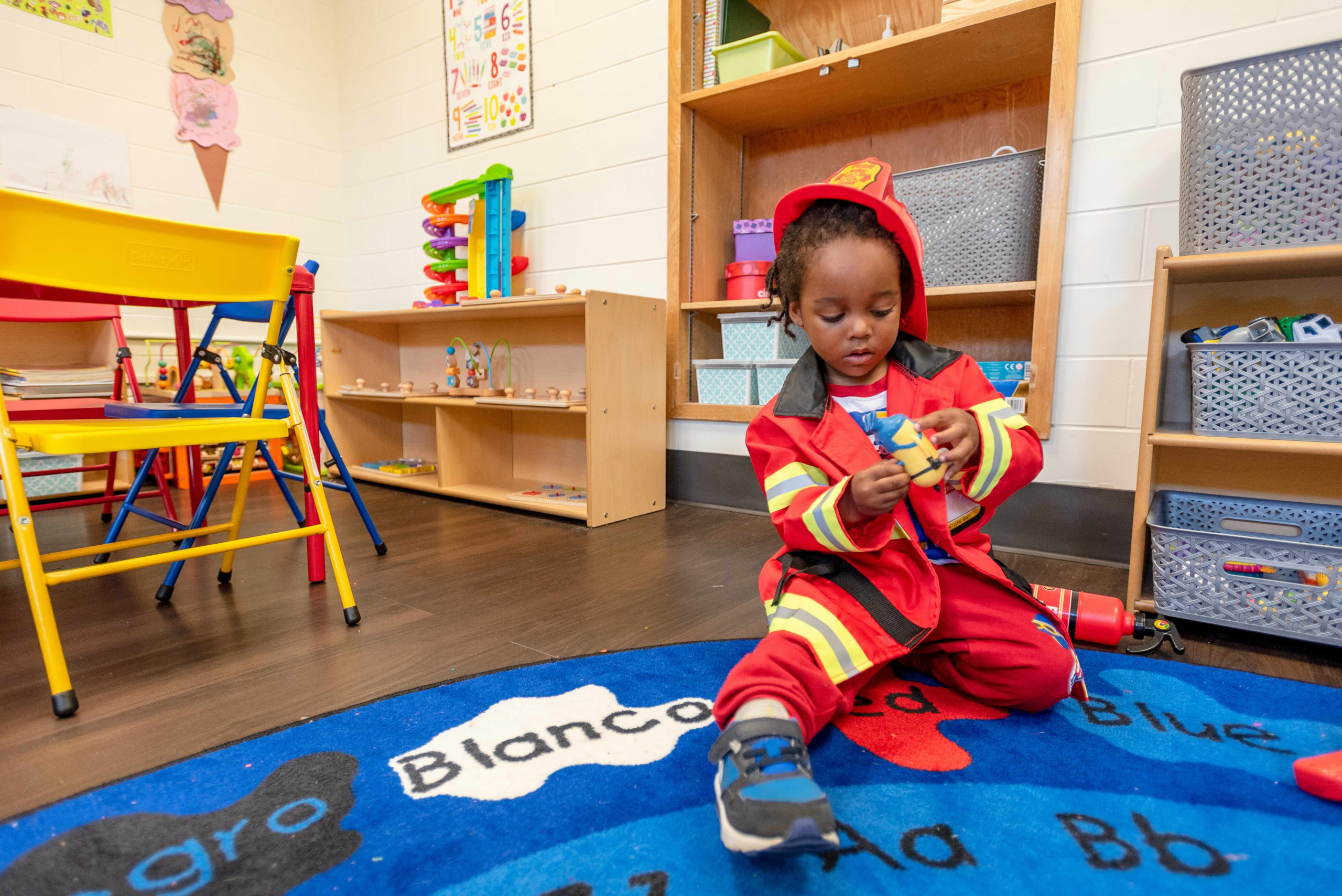
Children experiencing homelessness often live in chaotic, unpredictable environments where frequent moves, unstable relationships, and unsafe living conditions can disrupt emotional, cognitive, and behavioral development. Most families accessing BrightSpark services are families of color, low-income single parents, and women who have experienced domestic violence and chronic housing instability.
BrightSpark offers accessible childcare navigation and trauma-informed care for both caregivers and young children—whether families are in shelter, sleeping outdoors, or experiencing housing instability. Together, Mary’s Place Youth Services and partners like BrightSpark understand that when early learning and age-appropriate programming are provided where families already receive support services, all barriers to access are reduced.
This model recognizes that for families in crisis, every additional obstacle—such as a bus transfer, a different appointment location, or a form to fill out—can mean the difference between accessing services or not. By bringing high-quality programs and early education directly to where families are, they are met both literally and figuratively where they are.
Policy and Advocacy: The Schoolhouse Connection Model
While individual programs greatly impact children and families, true systemic change demands policy advocacy and collaboration across sectors. That’s why partnerships between Mary’s Place and organizations like SchoolHouse Connection are so important.
SchoolHouse Connection operates at the crossroads of early childhood education, K-12 education, and housing policy to promote evidence-based solutions that enhance access to both stable housing and quality education for children experiencing homelessness. Their annual state-by-state data analysis provides the essential numbers needed to advocate effectively: tracking how many infants and toddlers are experiencing homelessness in each state, what percentage are enrolled in early childhood development programs, and where gaps exist.
Their policy efforts have helped establish key protections under the McKinney-Vento Act, which outlines educational rights for children and youth experiencing homelessness. These protections include early childhood education: children experiencing homelessness can remain in their current preschool if staying there is in their best interest, must receive transportation even if preschool transportation isn’t normally provided, and can enroll immediately without the usual required documents.
However, laws on paper don’t guarantee that children will access services. SchoolHouse Connection’s work includes providing training for early childhood providers, creating guidance documents for aligning policies across programs, and developing toolkits to identify and support families experiencing homelessness. They have established frameworks demonstrating how Head Start, childcare subsidy programs, public preschool, home visiting programs, and Early Intervention services can work together to build a comprehensive safety net for young children.
Their recent analysis found that while nearly 450,000 infants and toddlers experienced homelessness in the 2022–2023 school year, only a fraction accessed early childhood development programs that could support their healthy development. Closing this gap requires sustained advocacy for increased funding, policy changes to remove barriers, and coordination among systems that too often operate in silos.
The Cost of Inaction and The Power of Prevention
When we fail to provide early education and developmental support to young children experiencing homelessness, the costs grow over time. The 2021–2022 school year national graduation rate for students experiencing homelessness was only 68%, 13 percentage points lower than other low-income students and nearly 19 points below all students. Youth without a high school diploma or GED are 4.5 times more likely to experience homelessness than their peers who finished high school, making lack of education the biggest risk factor for youth homelessness.
We know that the strongest predictor of future homelessness is previous homelessness. Children who have faced homelessness are more likely to become homeless as adults, leading to generational cycles that become harder to break.
While programs that serve families already experiencing homelessness are crucial, the most effective way to reduce trauma and break generational cycles is to prevent families from losing their homes in the first place. Homelessness prevention not only keeps families housed—it also protects children’s developing brains, improves their educational outcomes, lowers long-term health risks, and boosts their chances of thriving into adulthood.
The cost comparison is striking. At Mary’s Place, the average cost per household for a 90-day stay in emergency shelter is $35,420. The average cost for prevention services intervention is $7,642—less than 25% of shelter expenses. Besides the direct financial savings, there are long-term societal benefits. Prevention prevents the trauma, developmental disruption, and long-term effects that come with losing stable housing.
Mary’s Place is tackling family homelessness with a three-pronged strategy: 365 emergency shelter beds, a mobile outreach team delivering supplies and housing resources to unsheltered families, and prevention efforts that help families keep their homes. Each day, around 50 families contact the King County emergency family intake line seeking shelter, but with shelters full, only one or two are able to get space each week.
Due to historic and ongoing systemic racism, Black, Indigenous, and People of Color are overrepresented in the homelessness system. At Mary’s Place, over 80% of guests identify as BIPOC. Helping families keep their homes offers a more equitable approach that prevents displacement and addresses deep-rooted inequalities by preserving generational wealth, maintaining children’s educational continuity, enabling families to stay connected to their cultural communities and support networks, and supporting job stability and economic mobility.
Looking Forward
No child should start life’s journey with the odds stacked against them. Yet, that is exactly what happens when hundreds of thousands of infants and toddlers face homelessness during the crucial years for brain development, attachment, and learning.
We know what works. High-quality early childhood education, comprehensive family support services, stable housing, trauma-informed care, and coordinated systems that prioritize the needs of the most vulnerable all demonstrate positive outcomes. This requires investment in programs like Head Start and Early Head Start, policy changes that remove barriers to enrollment, and collaboration across early childhood providers, homeless services organizations, health care systems, schools, and housing authorities.
Most importantly, it requires recognizing these children and families not as statistics or problems to solve but as people deserving of dignity, respect, and the opportunity to thrive.
The early years are crucial. What happens in the first months and years of life resonates throughout childhood, adolescence, and adulthood. By investing in young children experiencing homelessness now—through education, healthcare, family support, and housing—we influence not only individual life paths but also the future of entire communities and our nation.
Every infant deserves a safe place to sleep and nurturing relationships that support healthy brain development. Every toddler deserves the chance to explore, learn, and play in a stable environment. Every preschooler deserves to start kindergarten ready to learn, with the social-emotional skills and early literacy foundation that set them up for success and the chance to thrive.
The work continues. But with each family connected to services, each child enrolled in a quality early learning program, each policy barrier removed, and each partnership strengthened, we move closer to the goal: a future where every child, regardless of their housing situation, gets the foundation years they need and deserve.
Linda Mitchell is the Chief Communications & Government Affairs Officer at Mary’s Place in Seattle / MarysPlaceSeattle.org
Note: Resources and references appear at the bottom of this page and in the downloadable PDF below the Table of Contents.
Childhood Milestones and Missed Moments: What Homelessness Interrupts and How Support Programs Help Restore Them
By Nina Hengelfelt
For elementary-aged children experiencing homelessness, routine and educational support are essential lifelines. Consistent schedules, academic guidance, and safe spaces help protect learning, developmental milestones, and emotional well-being at a time when nearly everything else in a child’s life may feel uncertain.
Housing instability disrupts far more than where a family sleeps at night. For children in elementary school, it can upend routines, interrupt schooling, strain peer relationships, and limit access to formative childhood experiences. At this age, consistency is not a luxury. It is a prerequisite for healthy growth. While shelters are often viewed as temporary solutions, those that provide routine, educational assistance, and enrichment can serve as critical stabilizing forces during one of the most formative periods of childhood. At the same time, these supports are most effective when children are able to remain connected to their schools and communities, which often requires coordination across housing, education, and transportation systems.
Why Elementary Years Matter: A Critical Learning Stage and Developmental Milestones Beyond Academics
The elementary school years, typically spanning ages five through twelve, are foundational for children’s academic, social, and emotional development. During this period, children learn to read, develop writing skills, build foundational math knowledge, and become familiar with classroom expectations such as testing and procedures. These years also mark a critical phase of social growth, when children form friendships, learn to navigate relationships, and begin to develop confidence through participation in school and community life.
Elementary school is also a time when many firsts occur often. Learning how to swim, riding a bike, joining a team, or going on a field trip are formative experiences that help shape a child’s sense of belonging and self. For children experiencing homelessness, these milestones may be delayed, altered, or missed entirely.
Disruptions during early years of education can have lasting consequences, particularly for children experiencing housing instability. Research shows that housing instability increases school moves and chronic absenteeism, both of which are associated with lower academic achievement and reduced long-term educational attainment.
Jennifer Pringle, Project Director at Advocates for Children of New York, emphasizes that education is one of the strongest protective factors against future homelessness.
“Young people who do not get a high school diploma are four and a half times more likely to experience homelessness as adults,” Pringle said. “So, if we really want to break the cycle of homelessness, we have to focus on education—and that starts from day one.”
These early academic disruptions are not isolated setbacks. They compound over time, increasing the likelihood that housing instability in childhood carries into adulthood.
Housing Instability: What Gets Disrupted
Housing instability affects nearly every aspect of daily life. For children in elementary school, frequent school changes resulting from housing transitions lead to interrupted learning and missed developmental milestones. When disruptions occur during the foundational years of education, children are put at a disadvantage that can follow them for years.
Routine provides structure and a sense of safety for children whose external lives may feel unpredictable. David Belmar, Director of Afterschool & Recreation at HFH’s Allie’s Place Family Residence—one of six family shelters operated by HFH across New York City (NYC)—leads programming for children and youth ages five to sixteen and emphasizes that consistent schedules support emotional regulation.
“Routine is very important because it sets an expectation for kids,” Belmar said. “This helps them feel safe, and they learn a sense of independence, because they know what to do. It also helps with behavior.”
“It’s so important for them to be on a schedule, to have consistency, and to know what’s next,” said Gretchen Hernandez, Deputy Executive Director at HFH. “That’s how they thrive. When kids are not in a stable environment, when they don’t have a routine, you see it in behaviors—whether the kid didn’t have a good meal or didn’t get a good night’s sleep—[negative] behavior starts showing up.”
Constant transitions between shelters, schools, or neighborhoods disrupt the rhythm children rely on to feel safe and grounded. School continuity is one of the most frequently disrupted aspects of life for children in shelter, with mid-year school transfers being especially damaging. In NYC, nearly 40 percent of families in shelter are placed in a different borough from where their children attend school.
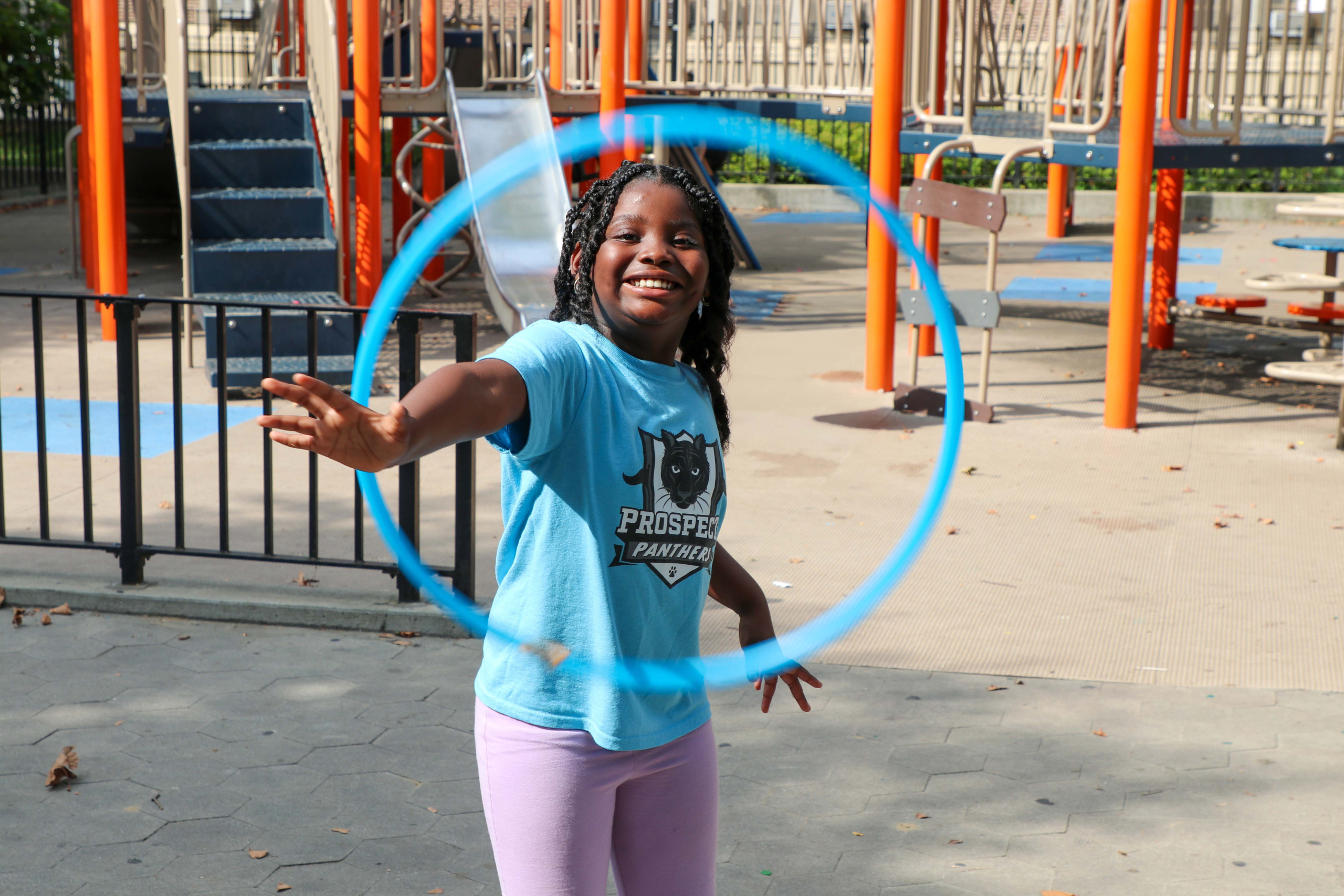
“That is thousands of school-aged kids who are separated from their schools of origin, their peers, their teachers, their school communities,” Pringle said. “Mid-year school transfers are associated with poor academic performance. If you are yanked from your school mid-year and placed in another school where you don’t know anybody and are unfamiliar with the teacher and the curriculum, it’s not surprising that you may suffer academically.”
“If we really want to promote school success, we have to look at some of these shelter placement practices that are ripping families away from their schools of origin,” Pringle said. “We have to be placing families closer to their kids’ schools, so parents don’t have to choose between keeping their kids in the same school or accepting a shelter placement. You shouldn’t have to choose between moving towards permanent housing and your child’s education.”
Hernandez said that, in theory, the system is designed to prevent exactly those kinds of school disruptions.
“The system wants to keep families within the same area where they were living so the child can attend the same school,” Hernandez said. “But that’s not always the case. During that transition, kids might miss school and miss critical lessons. Repetition is important at this age. If a child moves from a school in Brooklyn to one in the Bronx, the stress of catching up academically and learning a new social environment at the same time is a major disruption.”
Preventing these disruptions requires more than individual school or shelter efforts. It requires coordination across systems. As Pringle explains, “If we want to prevent future homelessness, our city policymakers have to look at education and make sure that their policies and practices are ensuring full access to school and the supports needed for children currently experiencing homelessness to be successful.” Without alignment between housing placement, transportation, and education policy, children continue to bear the cost of system fragmentation.
During the 2022–2023 school year, 48 percent of students experiencing homelessness were chronically absent. This was 12 percentage points higher than other low-income students and 22 percentage points higher than the overall student population. Research shows that students who missed more time from school between kindergarten and fifth grade were at greatest risk for school difficulty, with the cumulative effect of each day of school missed equivalent to two and a half days of lost math learning and one and a half days of lost language and literacy learning.
Beyond academics, instability also affects children’s social and emotional development. New schools mean new teachers, new peers, and new expectations. Elementary-aged children are often old enough to understand that their circumstances differ from those of their peers. Keena Richards, Director of Family Services at HFH’s Saratoga Family Residence, notes that many children in shelter are acutely aware of their living situation.
“Elementary aged kids are old enough to know and understand what’s happening, that they don’t have a permanent home, and that impacts how they socialize,” Richards said.
Richards shared an example of a child who became increasingly withdrawn because they didn’t want their friends to know that they were living in a shelter. When friends at school asked to come over to hang out or do homework together, the child avoided them. Over time, this isolation affected their school attendance. When asked about it, the child explained that they were embarrassed and didn’t want their friends to laugh or make fun of them for being in shelter.
For children in elementary school, these moments of withdrawal are not brief social challenges. They shape how children see themselves, their peers, and their place in school during the years when confidence and identity are still forming.
The Role of Shelters and Support Programs
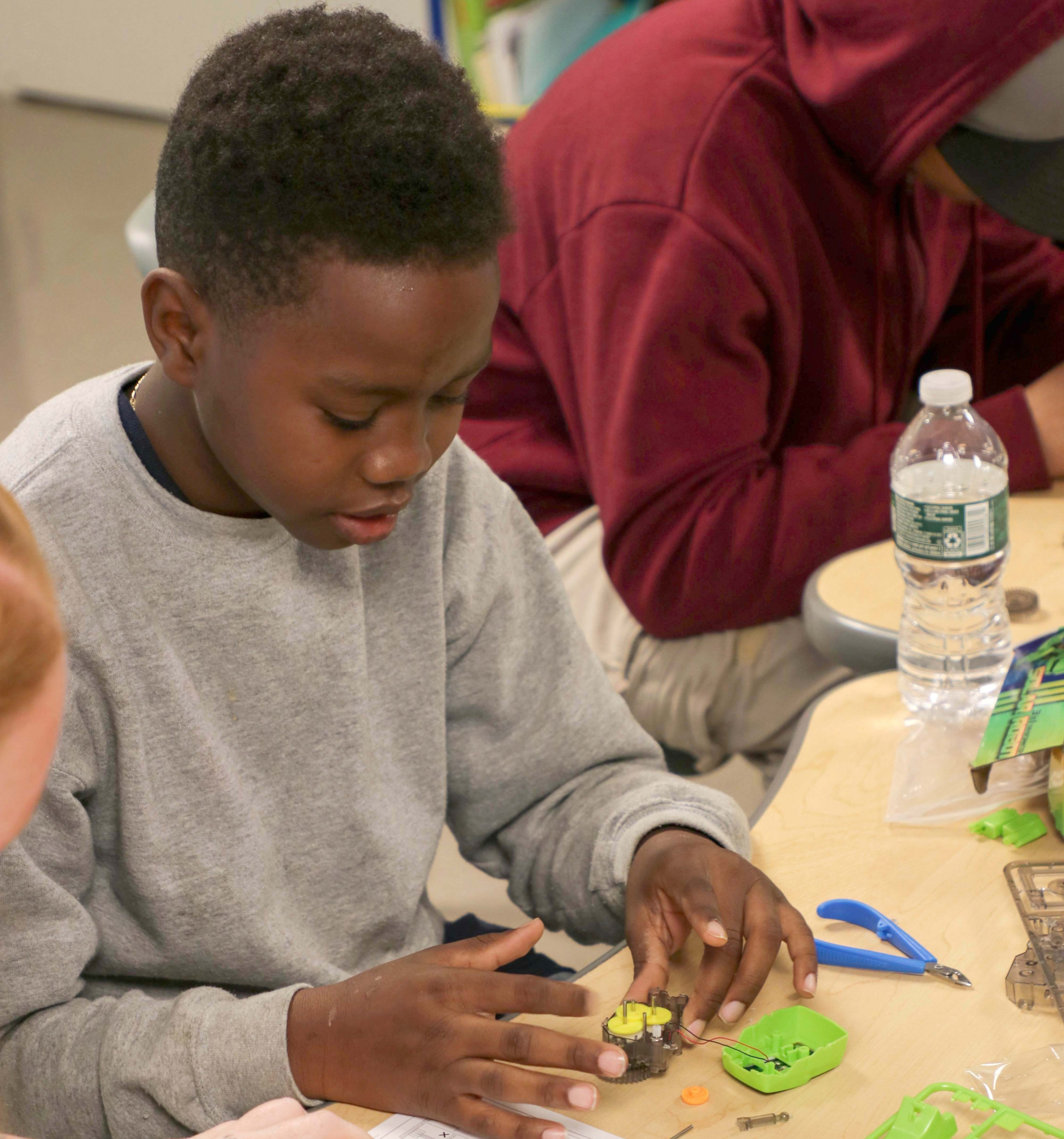
While shelters are often viewed solely as temporary housing, they can also function as stabilizing environments that help restore routine and structure. For elementary-aged children in particular, shelters that offer on-site programming such as after-school programs can provide academic assistance, social support, and access to experiences children may otherwise miss during periods of housing instability.
Because shelters are often the most consistent environment children have during transitions, they are uniquely positioned to support learning and development in ways that extend beyond basic housing.
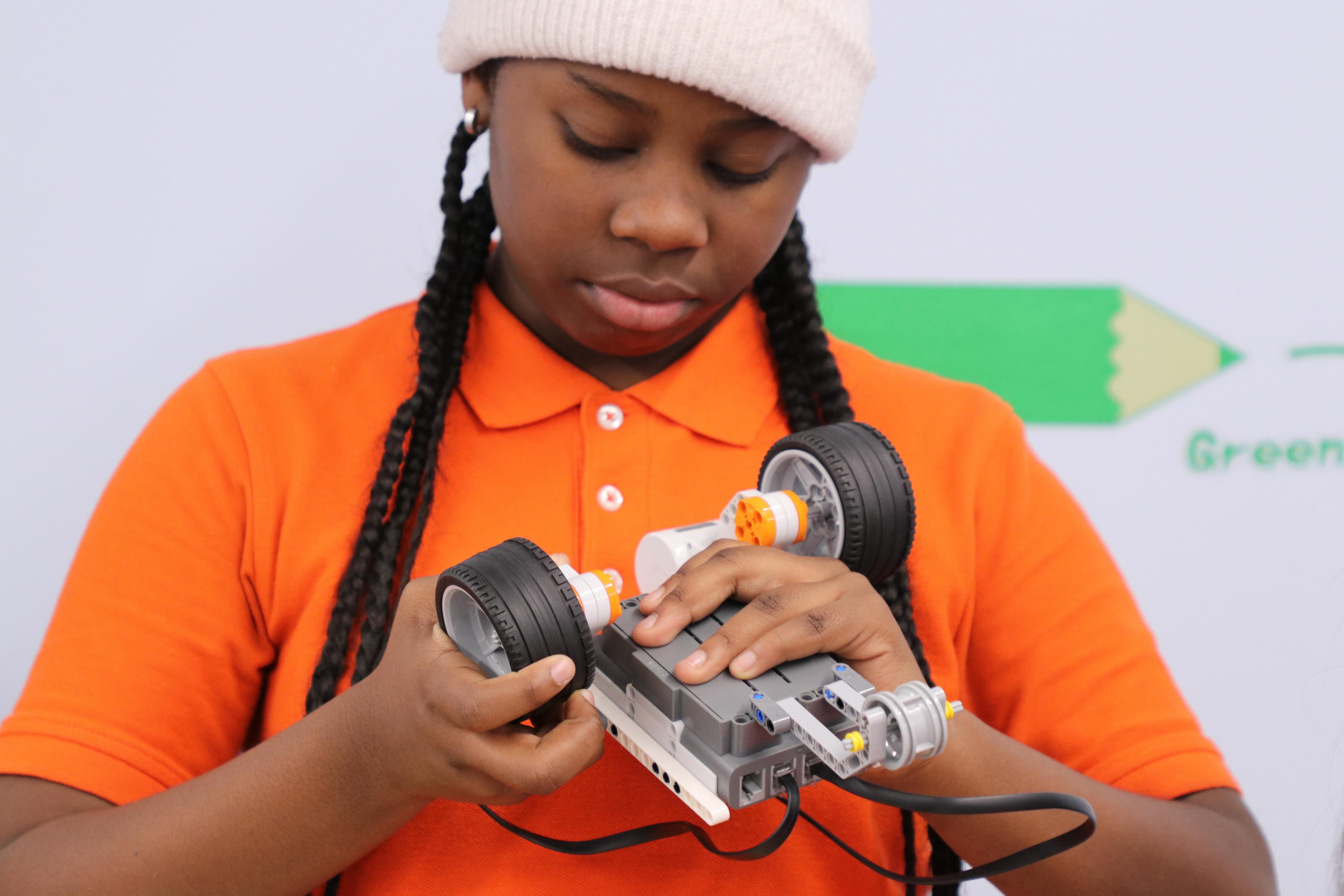
At Mary’s Place, an organization providing shelter and services for families in Seattle, programming is designed to protect routine and restore normalcy for children experiencing homelessness. Through Kids Club, school-age children participate in structured activities, homework help, and creative play, helping them continue learning in a safe space. For teenagers, Teen Club provides a secure environment to build community, develop leadership skills, and access mentorship during a period when many feel isolated and uncertain about their futures.
Beyond in-shelter programs, Mary’s Place Youth Services organizes regular outings that give children experiences of normalcy—trips to parks, museums, libraries, and community events. These outings provide more than just entertainment; they offer children chances to explore, learn, and simply be kids, creating positive memories during a challenging chapter of their lives.
Similarly, HFH and Lotus House, a women’s shelter in Miami, function as coordinated support systems for children and their families. At Lotus House, elementary-aged children receive assistance with school enrollment, school supplies, uniforms, and onsite after-school programming that includes tutoring and homework help. Through partnerships with community organizations, children also participate in academic enrichment and STEAM-based activities, with additional wraparound supports available through Lotus House’s newly opened Children’s Village, a centralized hub that brings together nonprofit providers offering arts programming, mental health supports, legal assistance, and youth development resources.
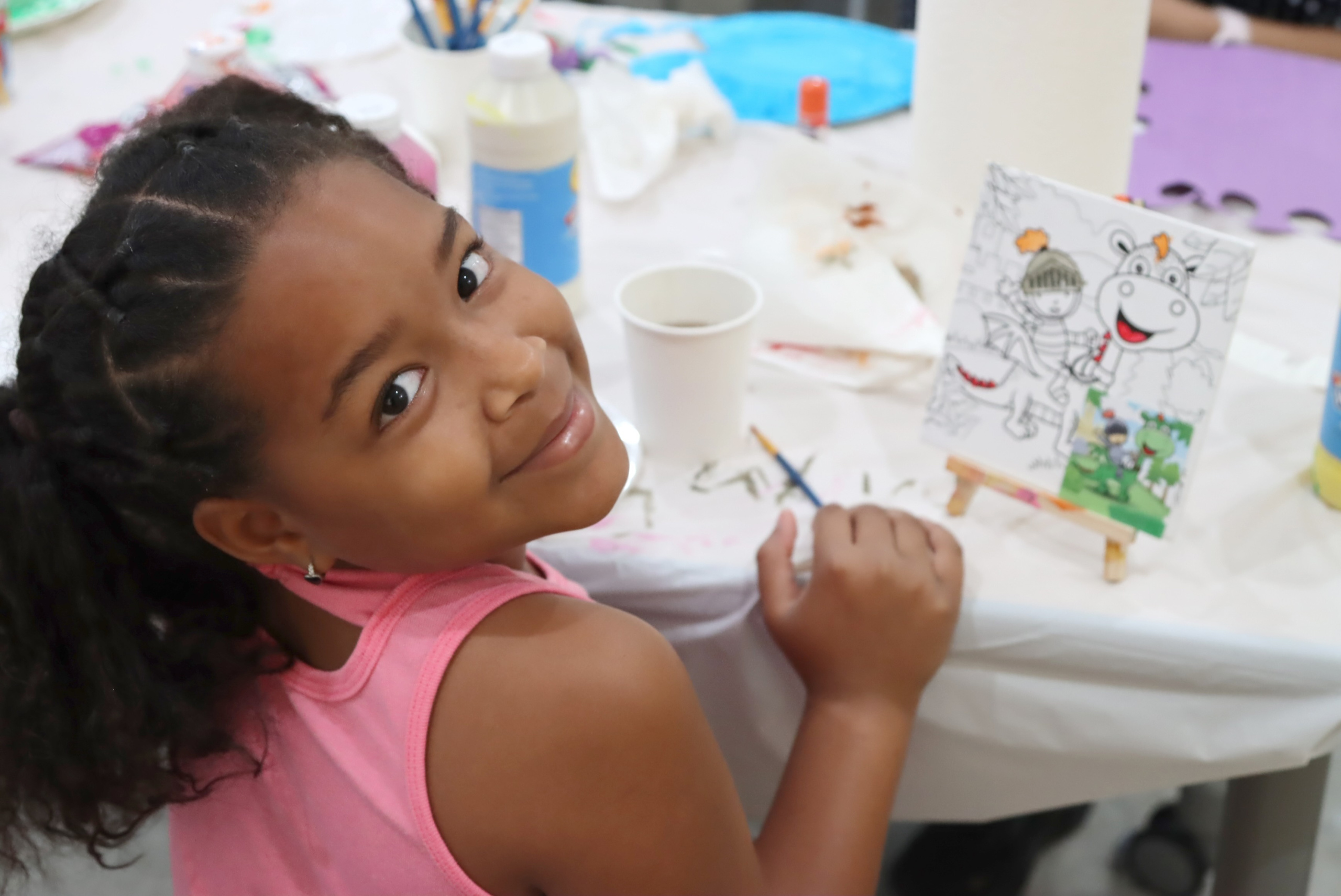
“We make sure school-age children are enrolled in an educational institution of their choice and have the supplies and uniforms that they need,” said Cynthia Perez, Deputy Director of Programming at Lotus House. “We review grades and attendance monthly to help parents stay aware of any issues and identify barriers that might be preventing a child from getting to school.”
In addition to staff-led supports, Lotus House works with volunteers and community-based organizations with expertise in areas such as tutoring and literacy support to provide targeted academic assistance. These programs not only help children stay academically engaged but also offer opportunities for choice and independence during a period when so much of their lives is shaped by instability. Ashley Taylor Gurwell, Program Associate at HFH Summer Day Camps, emphasized that structured environments are most effective when they also allow children autonomy.
“A lot of times with kids experiencing instability or homelessness, all of their choices are made for them,” Gurwell said. “Being able to give them choices throughout the day really helps them grow as a person and gives them that autonomy … to think, ‘What do I think is fun? What do I want to learn? What do I want to challenge myself to accomplish?’”
For children in the elementary years, this balance of structure and individualized support is especially important as academic demands increase.
“There’s a lot of testing during this age period, and we try to provide as much support as possible so that these kids can continue learning,” Perez said. “This has helped uplift a lot of the kids and improve their literacy.”
After-school programming at Lotus House and HFH family residences emphasizes routine and predictability.
“With repetition, kids know what to expect,” Belmar said. “They know how to feel safe. We create structure, a time for kids to be able to do their homework, to ask questions, and to study.”
Many children living in shelter lack quiet, consistent spaces to focus on schoolwork. Sofia Gaston, Education Program Coordinator at HFH’s Prospect Family Residence, sees this challenge firsthand.
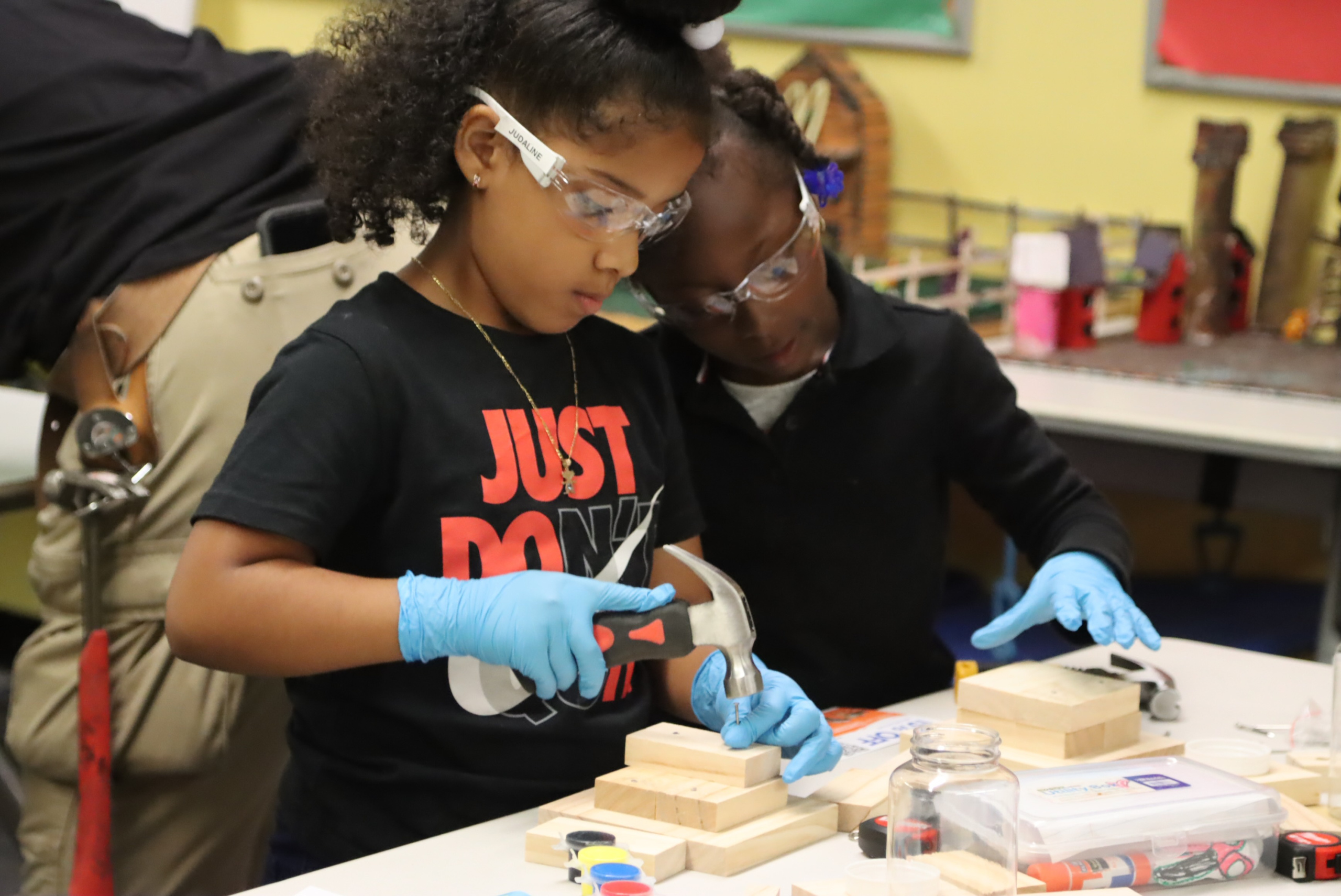
“Many of our kids don’t have a place where they can sit down and focus,” Gaston said. “Here, they do. There’s no judgment—just support. We meet them where they are academically.”
Even when children do not have assigned homework, staff intentionally build learning into the daily routine.
“One of our students went from not knowing cursive at all to being able to sign his name, and he was so proud of that,” Gaston said. “We also take time to help kids catch up when they’re behind. Parents appreciate that someone is helping their child stay on track.”
Without access to basic tools such as books and calculators, children’s learning can easily fall behind. After-school programs help fill these gaps by offering individualized support that many children may not receive elsewhere.
In addition to academic growth, after-school programs in a shelter setting foster social and emotional development. Children form bonds across age groups, look out for one another, and build relationships rooted in shared experience and understanding. For some children, these programs are among the only places where they feel accepted.
“I’ve seen community bonds form in the after-school program, and it really helps the kids,” Belmar said. “It gives them a sense that they’re not in this by themselves. There are others here that are experiencing what you’re experiencing.”
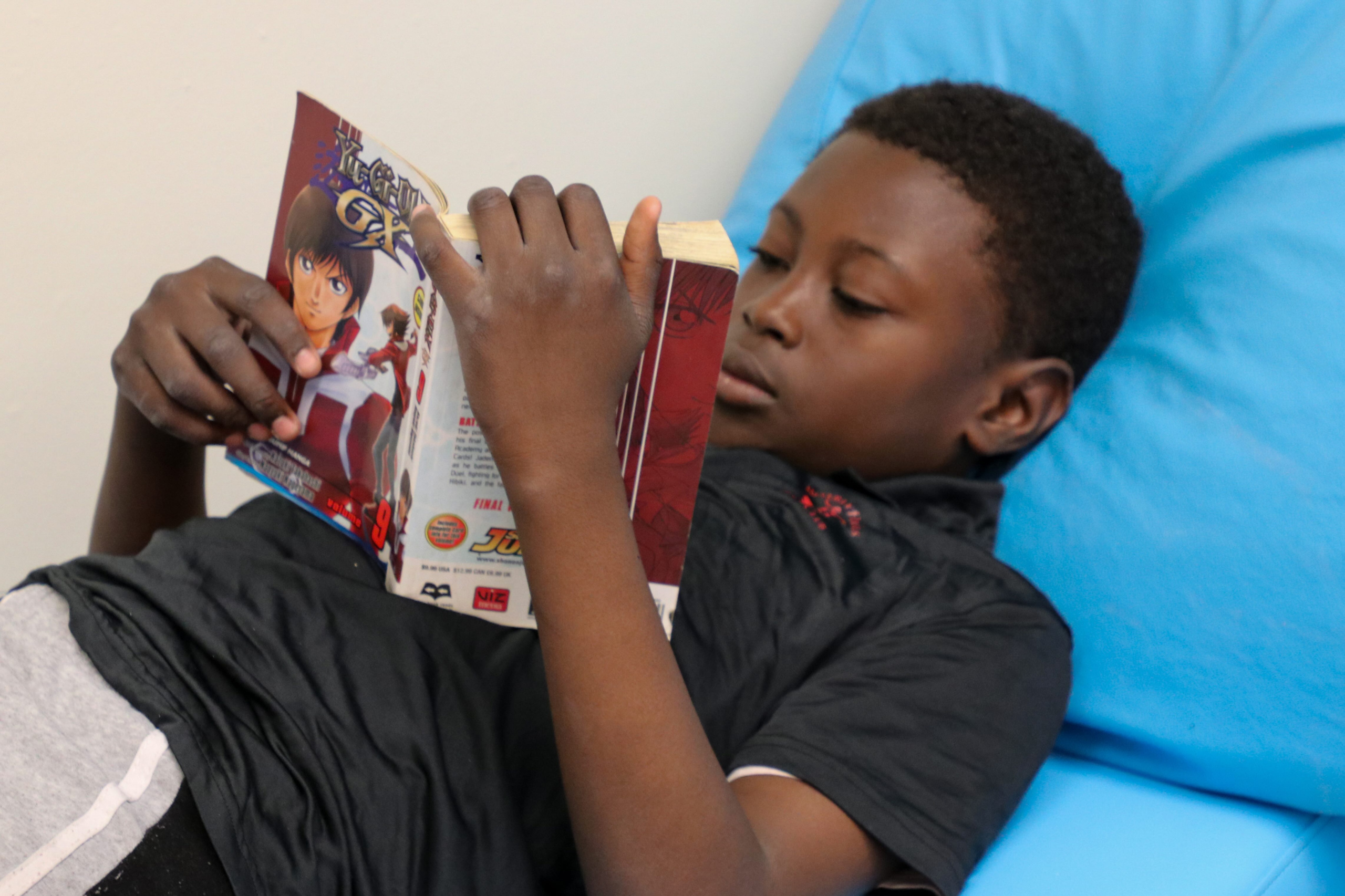
Understanding the context of a child’s experience is essential. Cynthia Perez emphasizes the importance of trauma-informed care.
“People can be quick to label a child as problematic or difficult without thoroughly understanding that child’s background or upbringing or trauma, which can have a significant impact to a child’s development on so many levels,” Perez said. “A child might not want to socialize with their peers, and it’s not that they’re anti-social—maybe they are wearing the same clothes that they have been wearing to school for the past three days. It’s not that they don’t want to learn—it’s that maybe they could not afford the notebook that was required for the class. When adults do not engage with children in a way that honors what they’re experiencing, it can really hinder their growth.”
Shelter-based programs also work to restore formative experiences that children often miss, such as field trips, sports, and summer camp. These opportunities allow children to explore, build independence, and experience joy during periods of uncertainty. Gurwell emphasized that these moments are about more than recreation—they give children space to simply be children.
“They just get to experience having fun and being a kid,” Gurwell said, “and not worry about all these really heavy adult topics that they’re dealing with at such a young age.”
Belmar described how shelter-based programs create these opportunities in tangible ways, offering children experiences that expand their world beyond the constraints of housing instability.
“We take the kids on trips that they have never been on. For example, The Nightmare Before Christmas exhibit at the New York Botanical Garden—that was a wonderful thing for the kids to participate in. We try to offer kids things that they wouldn’t necessarily do.” Belmar said. “There are some kids that’ve never been out of the five boroughs. There are kids that’ve only been in the Bronx. So going to [summer camp], it’s an amazing experience because they’re traveling, and they’re learning independence without their mom or dad.”
Stability for children is closely tied to stability for parents. Onsite childcare and after-school programs allow parents to work, attend appointments, and pursue housing without sacrificing their children’s care.
“That is usually the biggest issue that a lot of our families encounter in shelter. They might be looking for a job but have no one to watch their child,” Richards said. “When I started at Saratoga, and I learned that they had this programming here, it was the first time that I had seen a shelter address this problem right on site.”
The Need for Coordinated Solutions
For elementary-aged children experiencing homelessness, stability during the early school years is essential. These years shape how children learn, form relationships, and build confidence. When schooling, routine, and access to supportive environments are disrupted, the effects can extend well beyond the classroom.
Shelters that provide structured programming, educational support, and opportunities for enrichment can serve as stabilizing forces during periods of housing instability. However, even the strongest shelter-based supports cannot function in isolation. Supporting children’s education requires coordination across housing, education, and transportation systems so families are not forced to choose between shelter and keeping their children connected to their schools and communities.
Routine, educational support, and access to formative experiences are foundational aspects of childhood development. When shelters, schools, and broader systems work together, elementary-aged children experiencing homelessness have a stronger chance to remain on track during one of the most formative periods of their lives, protecting both their present well-being and their future stability.
Nina Hengelfelt is the Communications Coordinator at ICPH and HFH in New York City / ICPH.org, HFHnyc.org
Note: Resources and references appear at the bottom of this page and in the downloadable PDF below the Table of Contents.
From High School to Higher Education: Closing the Gaps for Students Experiencing Homelessness
By Jillian Sitjar

Almost 1.4 million Pre-K to 12 students were identified by public schools as experiencing homelessness in the 2022–2023 school year, and the true number is likely much higher. Approximately 410,000 or 29% of those students were in high school.
Education beyond high school is increasingly necessary for economic stability, particularly for marginalized youth. Rigorous studies show that disadvantaged students often see larger labor-market gains from college than their more advantaged peers; in other words, the same credential can move disadvantaged students further. That reality makes public school and community efforts to support the transition from high school to higher education all the more important for students experiencing homelessness.
Yet youth homelessness is often hidden. Many students stay temporarily with other people because they have nowhere else to go or because they fear entering shelter. They may move frequently or cycle through unstable living situations that are not immediately visible to schools. Under the McKinney-Vento Homeless Assistance Act, “homeless children and youths” are those “who lack a fixed, regular, and adequate nighttime residence.” This includes students who are staying temporarily with others because they have no other safe or stable alternative, as well as those living in shelters, motels, and unsheltered situations. This education definition is broader than the definition of homelessness used by the U.S. Department of Housing and Urban Development (HUD) for housing programs, and more closely matches the reality of homelessness for youth and families.
The McKinney-Vento Act protects students’ equal access to education by requiring school districts to designate homeless liaisons, immediately enroll homeless students, ensure school stability, and remove barriers to identification, enrollment, attendance, and success. The Act also includes two requirements that directly address the transition to higher education:
- Homeless liaisons must inform unaccompanied homeless youth (youth who are homeless but not in the physical custody of a parent or guardian) that they qualify as independent students for federal financial aid and help youth obtain documentation for the FAFSA (Free Application for Federal Student Aid).
- School counselors must advise students experiencing homelessness to prepare for and improve their readiness for college.
Even with these protections, significant challenges remain for students experiencing homelessness as they transition to higher education.
Identifying and Breaking Down the Barriers to College
Access these resources at SchoolHouseConnection.org:

Senior year can be stressful for any student as they juggle college applications, completing the FAFSA, and finishing up the school year. Navigating this can be especially difficult for students experiencing homelessness, who may lack family support or a stable adult advocate. A 2016 U.S. Government Accountability Office (GAO) report found that burdensome financial aid rules often prevent homeless and foster youth from accessing financial aid. For example, unaccompanied homeless youth—or unaccompanied youth who are at risk of homelessness and are currently self-supporting—must provide documentation from authorized entities, such as a school district homeless liaison, to receive independent student status. While the FAFSA Simplification Act removed several barriers, many students still struggle to obtain documentation, resolve determination issues, and receive financial aid on time. Because financial aid is often the deciding factor in whether a student can attend college, delays can derail college plans entirely.
In addition to the complexities of FAFSA documentation, college application fees typically range from $40-$90 per school. These costs create an additional burden, limiting the number of schools to which students can apply.
The support systems that identify and serve students experiencing homelessness in high school often disappear upon graduation. As a result, even after being accepted to college—and sometimes even after paying deposits—students experiencing homelessness face a high risk of “summer melt.” Summer melt is the period after high school when graduates who plan to attend college fail to enroll in the fall because of financial hurdles, overwhelming administrative tasks, lack of support, or family issues. Considering the instability in their lives, students experiencing homelessness may be especially susceptible to having their plans derailed after high school.
“Financial aid has been essential in making college a reality and the transition [to college] manageable,” shared a SchoolHouse Connection Scholar who attended the University of North Texas.
For those students who do make it to campus, new challenges emerge. Students experiencing homelessness may feel isolated, overwhelmed by unfamiliar systems, or hesitant to disclose their circumstances. Imposter syndrome, difficulty navigating academic expectations, or simply not knowing where to turn for help can lead some students to withdraw—or, if the relationship exists, reach back to high school staff for support that higher education systems are not designed to provide. Unlike the Pre-K to 12 system, there is no federal law that specifically supports college students experiencing homelessness.
“First-year college students with lived experience of homelessness are often falling through the cracks without the support of their homeless liaison and counselors [that they had in high school],” according to Danielle Rains, a school counselor and homeless liaison for Cincinnati Public Schools Project Connect. “Sometimes it was academic struggles, sometimes it was mental health and difficulties adjusting to their new life after high school, and other times it was just administrative barriers that kept them from succeeding. This was clearly an unmet need, and this reality gave us discomfort. The last thing we want to do was set these students up for failure.”
The University of Cincinnati is the local college that many Cincinnati Public School students attend, including Project Connect students, so they reached out to the University’s student support services department and began to collaborate on a pilot program for students experiencing homelessness. Two years of work later, 35 college students who were experiencing homelessness received wrap-around supports that have helped them stay enrolled in college. Supports ranged from priority access and scholarships for on-campus housing, staying in on-campus housing during breaks, academic coaching, mentorship, and access to on-campus resources—such as counseling and help with basic needs. Through this collaborative effort, the inaugural cohort had a 70% retention rate.
Another often overlooked barrier is access to essential college items. Many institutions provide checklists of items for students to bring to campus: laptops, bedding, towels, toiletries, and other basic supplies. Students experiencing homelessness may not have these items—and may not have a way to pay for them—creating both logistical and emotional stress. Some students delay moving onto campus because they do not have what they need to live comfortably in a residence hall. Others feel embarrassed arriving without the standard items their peers bring. Without a laptop or reliable access to technology, academic success becomes increasingly difficult.
High schools and higher education institutions can remove barriers within their own systems and build partnerships that improve college access and completion for students experiencing homelessness.
Access these resources at SchoolHouseConnection.org:
Best Practices for Higher Ed Success
Students who complete the FAFSA are 84% more likely to enroll in postsecondary education. High schools can host special FAFSA and financial aid nights for homeless students, in partnership with local colleges and universities, to increase completion rates and build relationships. These events are particularly helpful for students who may need extra support with filling out the FAFSA or lack familial support. Resources from SchoolHouse Connection also make it easier for students experiencing homelessness to complete the FAFSA and understand who to contact for documentation when needed.
To address application costs, some states and institutions offer fee waivers. The Common App, an online application platform used by over 1,000 colleges and universities, allows students to complete a single application that can be submitted to multiple participating institutions. In a recent webinar with SchoolHouse Connection, the Common App shared that students experiencing homelessness can have their college application fees waived.
College application fees should not limit a student’s ability to apply to their dream institution, and neither should lack of essential items. To reduce this barrier, some high schools have created “college starter kit” programs; Washington, DC and Idaho offer two examples. These kits typically include essentials for living on campus, laptops, and other residence hall necessities. Higher education basic needs centers and student support offices can also stock essential items and provide them to students in need, easing the transition into campus housing and reducing the financial burden on students experiencing homelessness. These resources send a powerful message: students deserve to arrive on campus equipped to succeed alongside their peers.
Although there is no federal policy framework focused on homeless college students, some states have adopted legislation to increase postsecondary access for students experiencing homelessness. For example, ten states—Arkansas, Colorado, California, Florida, Illinois, Louisiana, Maine, Maryland, Nevada, and Tennessee—have enacted legislation to establish or authorize the designation of higher education homeless liaisons. Modeled after the McKinney-Vento Act’s requirement for liaisons in the Pre-K to 12 system, these staff members identify students, provide direct support, and coordinate resources. Higher education liaisons may be located in the financial aid office, a basic needs program (a one-stop office that provides a wide range of services and resources) like at CSU Long Beach, student support services, or another initiative. They can provide a warm handoff from the Pre-K to 12 liaison and offer individualized support to help students navigate college systems. Unfortunately, many higher education liaisons report receiving little to no training about students experiencing homelessness before assuming this role and often feel unprepared to support students. As a result, SchoolHouse Connection has built and sustained a national learning network of homeless liaisons for three years to share strategies, offer professional development, and build community.
Another strategy for supporting students experiencing homelessness begins before enrollment. McKinney-Vento liaisons can bring students on college tours, and colleges can host specific days for students experiencing homelessness, such as Independent Student Day at Colorado State University. These events may be the first time a student experiencing homelessness has visited a college campus, and they can influence whether a student pursues postsecondary education.
Specialized campus programs, such as West Chester University’s Promise Program or Kennesaw State University ASCEND Program, offer services specifically for students experiencing homelessness, creating a sense of community and belonging. Lauren Padgett, Executive Director of CARE Services at Kennesaw State University, said student support starts with FAFSA assistance and a Bridge Week to ease the transition to campus, and continues after enrollment through help with housing stability, financial resources, navigating campus systems, and connections to campus and community mentors.
“Through ASCEND, students are offered a living learning community, workshops, engagement and study abroad opportunities, individualized support from dedicated program staff, and consistent points of contact across campus as they transition to and through college,” said Padgett. “CARE also collaborates with community and state partners to reduce disruptions during this critical transition. Together, these efforts help remove non-academic barriers and promote long-term student success.”
Some programs also provide year-round housing and extensive case management. Florida State University’s Unconquered Scholars Program offers a summer bridge program that allows students to come onto campus earlier and acclimate to campus life before their peers.
According to a SchoolHouse Connection Scholar who attended the University of Southern California, the Trojan Guardian Scholars program was a major source of support.
“Their support made me feel seen and supported without judgment. Having a designated place on campus where I could grab a quick bite or just sit down and breathe has eased some of the daily stress I carry. Knowing there’s a community that understands what I’m going through and offers resources with dignity and consistency makes a world of difference. It’s helped me feel like I belong here, even when my circumstances try to convince me otherwise.”
These programs and initiatives must be grounded in the lived experience of the students they serve. High school and higher education staff should prioritize listening to students experiencing homelessness to learn what they need to succeed. This may mean creating spaces where students feel safe sharing challenges, regularly soliciting feedback on support programs, and involving students in designing solutions. When institutions center youth in planning, they build more effective support and communicate a powerful message: students do not just deserve a seat at the table, they deserve to help set it.
The SchoolHouse Connection Scholar from University of North Texas added, “Information and guidance I received from the SchoolHouse Connection team and the University of North Texas’ Emerald Eagle Scholar program didn’t just help me access resources but also allowed me to support my friends and peers. From getting paperwork done on time to knowing where the food pantry is, that support has helped make college less overwhelming, so I can spend more time studying, living, and staying in school without burning out.”
The transition from high school to college is challenging for any student, but for those experiencing homelessness, it can feel insurmountable. Yet the stakes are particularly high. Higher education can fundamentally change a young person’s trajectory and help break cycles of homelessness. A college degree can open doors to stable employment, financial security, and housing stability that might otherwise remain closed. With the right support, students experiencing homelessness can not only access higher education, but thrive in it. By recognizing the unique barriers these students face and implementing thoughtful solutions, schools and policymakers are investing in more than educational access: they are investing in overcoming homelessness, one graduate at a time.
Jillian Sitjar is the Director of Higher Education Partnerships at SchoolHouse Connection, a national organization / SchoolHouseConnection.org
Note: Resources and references appear at the bottom of this page and in the downloadable PDF below the Table of Contents.
Tech on the Tightrope: Balancing Access and Risk for Students Experiencing Homelessness
By Mary Cummings

In New York City Public Schools (NYCPS), and across the nation, learning increasingly depends on students being digitally connected beyond the classroom. Over the past decade, particularly in middle and high schools, technology has become embedded in nearly every part of the school day, from assignments and grades to how students and families stay in touch with teachers.
That shift in New York City (NYC) has included school-issued Chromebooks, learning management systems like iLearnNYC, and centralized portals such as TeachHub—tools that allow students to access coursework, collaborate through Google Workspace, and communicate with educators, while families track progress through an NYC Schools Account. These platforms, and newer technologies—including artificial intelligence (AI)—are rapidly entering classrooms as both instructional supports and new sources of concern. Technology is no longer an add-on to schooling; it is the infrastructure through which schooling operates.
As technology advances exponentially, its benefits and risks are not experienced equally, particularly for students experiencing homelessness. Access alone is no longer the question—stability, supervision, and support are.
The Benefits of Technology for Students
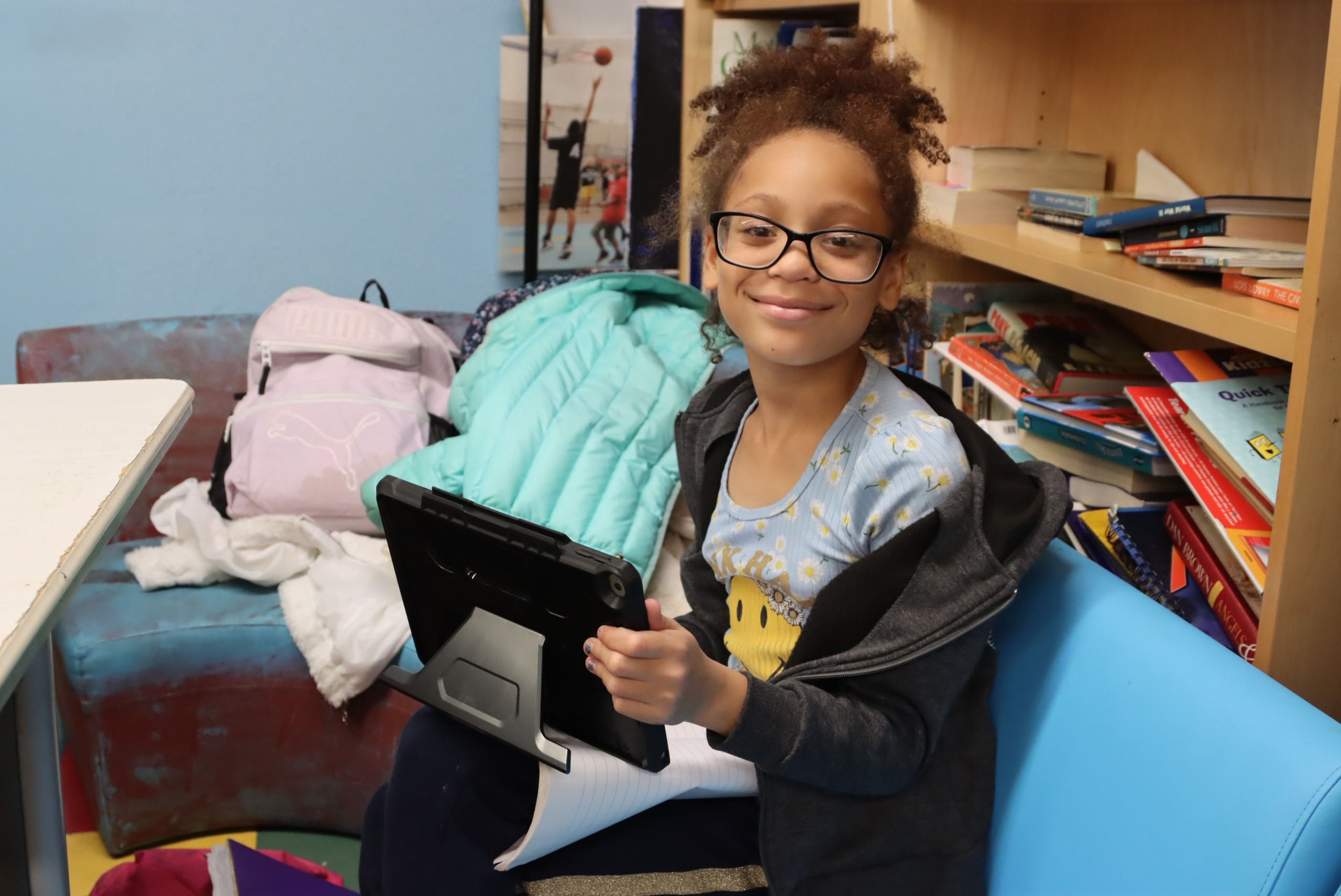
In theory—and for many students in practice—educational technology has streamlined learning, with cloud-based storage reducing the amount of schoolwork lost during transitions between school and home.
Safety measures, through content-monitoring tools like GoGuardian, are integrated into school-issued devices and Google Workspace, allowing teachers to restrict sites, flag concerning activity, and monitor student work during class. The ability to complete assignments, communicate with teachers, use assistive tools, and learn within digitally structured environments can make school feel more manageable, even amid uncertainty.
Technology can help students with disabilities. Assistive technology supports students with disabilities by enhancing their functional capabilities when they cannot access the curriculum through traditional methods. It is incorporated into many students’ Individualized Education Plans (IEPs)—created for students with disabilities to support their specific learning needs. Courtney McNeil, an NYCPS counselor with a decade of experience in the NYC education system, noted that many of her students utilize laptops, software, or other technology devices to support their unique learning needs. For example, nonverbal students with autism may require communication devices to help them participate in their educational program.
Students in temporary housing are listed as a priority for the school-issued Chromebooks, so students living in family shelters may be issued devices from their schools, while some shelters also offer desktop computers, laptops, and tablets for shared use. Taiye Black, Director of Afterschool & Recreation at Clinton Family Residence, a family shelter in Hell’s Kitchen, NYC, said students without personal devices use computers in the recreation room to write papers and complete homework. Yasmeen Joyner, Recreation Supervisor at Williamsbridge Family Residence, a family shelter in the Bronx, noted that access to laptops and tablets in her recreation program has alleviated anxiety for students. “They know they can do all of their homework—not just half of it—and they can feel better about going to school.”
Jessica James, a social worker at Prospect Family Residence, a family shelter in the Bronx, has seen students benefit from being able to access their work outside the classroom—but she notes that access alone doesn’t guarantee success.
“There are challenges,” James explained. “Do students have what they need to actually use these devices?”
These benefits depend on consistent access, reliable devices, and supportive adults—conditions that are not guaranteed for all students.
The Connectivity Gap: When Benefits Don’t Reach Everyone
During the height of the COVID-19 pandemic, emergency federal, state, and local aid expanded students’ access to devices and internet connectivity, narrowing gaps that had long limited participation in digital learning. Schools distributed laptops and tablets at scale, while programs like the federal Affordable Connectivity Program (ACP) helped low-income households offset the cost of internet service and devices. For many families experiencing homelessness, these measures temporarily made staying connected to school possible.
Much of that support, however, was designed as short-term relief. The ACP stopped accepting new enrollments in early 2024 and ran out of funding that spring, eliminating monthly internet discounts and device subsidies for millions of households nationwide. At the same time, New York City and State began rolling back pandemic-era education funding, limiting schools’ ability to replace devices and sustain technical infrastructure. While some programs remain—including Title I set-aside funds for students in temporary housing and limited free or low-cost internet options through partnerships with providers like T-Mobile—access remains uneven. NYC has continued investing in Wi-Fi for family shelters, committing additional funds to expand coverage, but officials acknowledge that aging buildings and infrastructure constraints make reliable connectivity costly and inconsistent. Together, these shifts have widened the gap between what digital schooling now requires and what many students experiencing homelessness can realistically maintain.
That gap is felt most acutely on the ground level, where counselors, educators, and family services staff observe how access to technology can change overnight.
As a social worker, Jessica James has worked with many families who enter shelter with a broken phone, a phone without service, or no phone at all—leaving schools with no reliable way to reach parents.
Parental involvement plays a critical role in helping children succeed with digital learning at home, and Yasmeen Joyner has observed during family programming that gaps in caregivers’ digital literacy often prevent students from completing online schoolwork without recreation staff assistance.
“I have one parent who has a phone, but she doesn’t really understand how to use technology,” Joyner said. “I always tell the parents that even if they don’t know how to open up an e-mail, I’m willing to help them learn step-by-step.”
Courtney McNeil has seen firsthand how daily challenges are rooted in deeper structural issues.
“Technology can help keep students connected, but students struggle to keep track of their technology when they don’t have a consistent place to live.” McNeil said. “This can result in them struggling in school when they don’t have the tools they need to succeed.”
As a counselor, McNeil has worked with students in temporary housing, including students living in shelter and overcrowded homes—sometimes sharing a bedroom with a parent or multiple siblings.
“Teachers assume these kids have access to the technology they need and an environment that’s conducive to studying,” McNeil said. “But not all students have that consistent access. I’ve noticed that students in temporary housing tend to complete homework at lower rates.”
Across these experiences, a consistent pattern emerges; today’s educational technology is built on assumptions of stability—stable housing, stable access, and stable adult support—that many students experiencing homelessness simply do not have.
Technology’s Downsides for All Students
While access to technology remains uneven, concerns about its impact extend far beyond connectivity. Educators across school systems are raising questions about how constant digital engagement affects students’ attention, relationships, and emotional well-being. As technology becomes unavoidable in classrooms, schools are being pushed to reconsider not just who has access, but how much—and under what conditions.
In the classroom, challenges range from increased temptation to rely on AI for cheating to overdependence on video-based instruction, along with concerns about eye strain and reduced physical movement when technology is used too heavily. These issues, however, represent only a fraction of the concerns raised beyond the classroom.
“Because of the technology increase, students have shown significant deficits in social skills development.” McNeil said. “I often find myself teaching students simple conversational skills because they only communicate with each other online.”
McNeil’s observation aligns with research highlighted in The Anxious Generation, in which psychologist Jonathan Haidt links the rise of smartphones and social media to a broader decline in in-person peer interaction, arguing that digital engagement increasingly replaces the kinds of face-to-face social experiences critical to adolescent development.
Haidt also points to broader consequences of heavy screen use, including diminished focus, emotional regulation challenges, and sleep disruption. In the book, Haidt argues that late-night phone use and constant digital stimulation have contributed to widespread adolescent sleep deprivation, writing that “the screen-related decline of sleep is likely a contributor to the tidal wave of adolescent mental illness that swept across many countries in the early 2010s.” Sleep loss, he contends, compounds challenges related to mood and attention during critical stages of development. These effects are not confined to any one group of students; they appear across income levels and school settings.
Local data reflect the severity of these concerns. The 2025 NYC Comptroller report, Classrooms, Counselors, Clinics, shows that nearly 40 percent of NYC high school students report feeling persistently sad or hopeless—the highest rate in more than a decade. It also finds that more than 70 percent of schools don’t meet national staffing standards for social workers and over half fall short for guidance counselors. In an era of constant digital engagement, this gap in support—alongside rising rates of adolescent distress—highlights the limits of relying on technology without corresponding investment in students’ social and emotional well-being.

Compounding Effects for Students Experiencing Homelessness
For students experiencing homelessness, these challenges do not exist in isolation. Housing instability can intensify the effects of constant digital engagement, sleep disruption, and reduced in-person connection—turning technology into another source of strain that shapes how students cope with circumstances largely beyond their control.
Drawing on data from the 2022 National Survey of Children’s Health, researchers at the University of California, Irvine (UCI) found that youth experiencing housing instability are significantly more likely to experience anxiety and depression, yet less likely to receive mental health treatment than their peers in stable housing. In shelter settings, staff say social media can further intensify these emotional challenges by exposing children to constant comparison and stigma.
“Social media impacts the way they navigate the world and the way they see themselves,” said Jessica James. “Especially for children living in shelter—spaces they may not consider their own—there can be more of an internal pressure to escape from the situation in front of them and spend more time online.”
Charima Thompson, Director of Family Services at Allie’s Place Family Residence, a family shelter in Soundview, Bronx, has seen how that pressure plays out.
“Being in shelter doesn’t just impact the parents—it impacts the children too, especially when they’re old enough to understand what’s going on,” Thompson said. “Through social media, they’re able to see how people who aren’t in shelter are living, and they worry about what people are going to think of them.”
Yasmeen Joyner emphasized that housing instability can strain entire families, making it harder for adults to consistently supervise technology use. “Kids already have anxiety about the situation they’re in,” she said. “And when parents are under a lot of pressure themselves, things can fall through the cracks. When devices get misused or damaged, kids can lose access altogether—and that puts them behind all over again.”
She added that inconsistent access can make it even harder for students to regulate their technology use.
“Living in shelter, kids often don’t have regular access,” Joyner explained. “So, when they do get a tablet or computer, it’s easy for them to get off track and overindulge in things that they shouldn’t.”
Taken together, these dynamics show how technology can become another source of stress when access is irregular, supervision is limited, and pressures run high.
What’s Working: Community-Based and Human-Centered Solutions
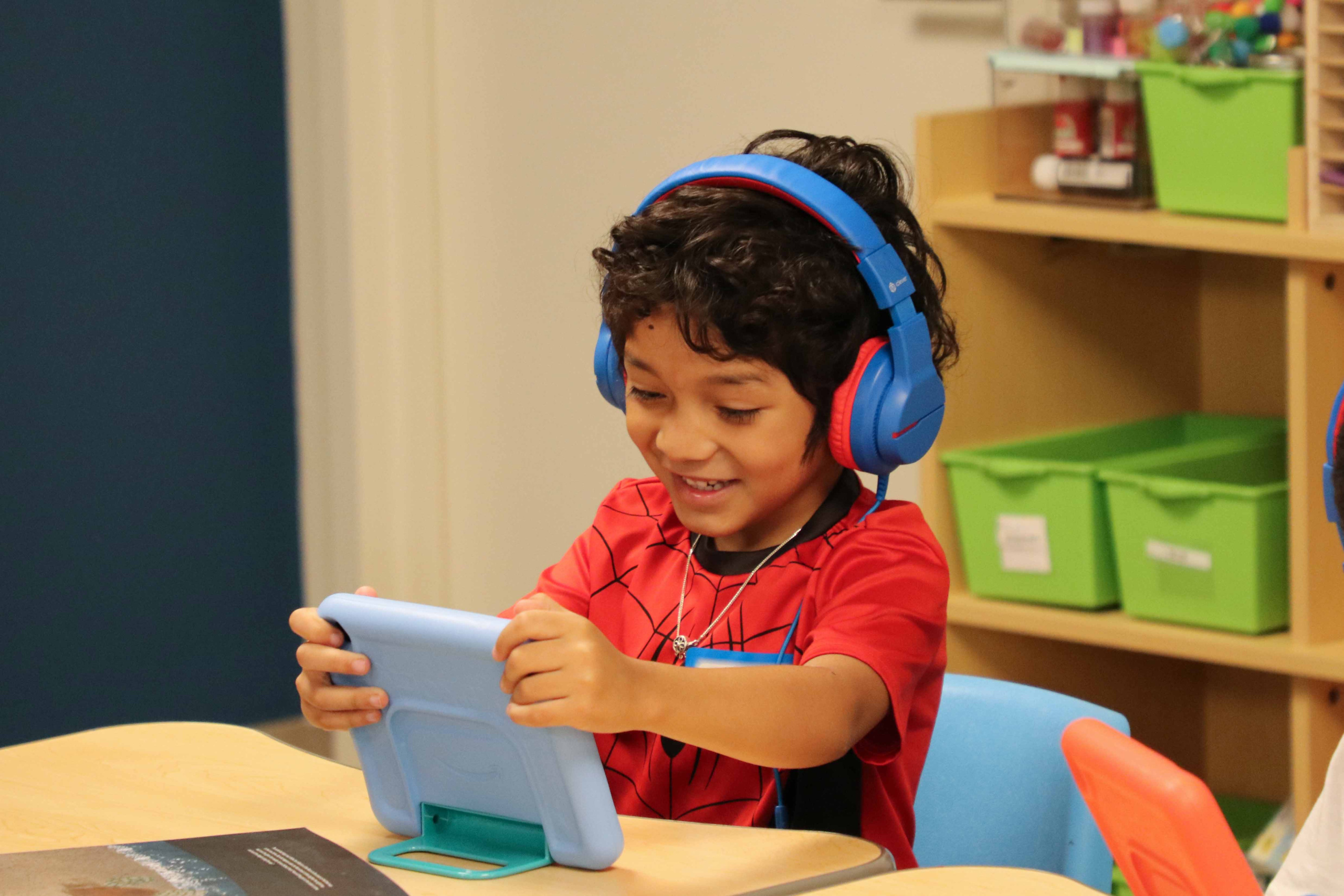
The same educators and care providers that highlighted technology’s risks also pointed to places where it is working. Across schools, shelters, and community spaces, educators and service providers are pairing access to technology with structure, supervision, and human connection—showing what’s possible when digital tools are rooted in care rather than convenience.
At the start of the 2025–2026 school year, New York joined more than 30 other states in restricting cell phone use in schools. While policies vary nationwide, 20 states—including New York—now prohibit student cell phone use for all ages from bell to bell, with exceptions for students whose IEPs require assistive technology.
McNeil has seen a stark contrast between when she started working in schools in 2016 compared to walking through the hallways in 2026.
“It was kids glued to their phones and not connecting with each other,” McNeil said. “With the school ban on phones, interactions have probably gone up 10x—maybe 100x—because they have to talk to each other now. Without devices at school, kids tend to feel a stronger sense of belonging.”
Alongside these policy shifts, NYC has designated liaisons for students in temporary housing in each school to help families navigate and connect to city-wide supports.
“When students’ parents indicate during intake or the yearly housing questionnaire that they are staying in a shelter or do not have permanent housing, we’re able to step in,” McNeil said.
McNeil noted that some students are hesitant to self-identify or ask for help—making proactive outreach essential to ensuring these supports reach the students who need them most.
Beyond schools, community institutions play a critical role. With 25 years of experience as a librarian, Vikki Terrile, a CUNY associate professor, studies how libraries serve families experiencing homelessness. She describes public libraries as a “great equalizer,” where students experiencing housing instability use computers, Wi-Fi, and academic platforms in the same ways as their peers, while also finding supportive, low-pressure spaces to connect with others.
Terrile noted that during after-school hours at libraries in Queens, students are often engaged with technology—but together.
“Being able to engage with technology in a social setting like the library is really beneficial, rather than being at home by themselves on a computer or gaming platform,” she said.
Over the past two decades, public library teen centers have also been intentionally designed around youth development—pairing access to advanced technology, like music mixing, broadcast studios, podcasting, and robotics with dedicated staff who understand how teens learn and connect.

“The renovations toward teen centers, and really the focus on teen services, started with an understanding around youth development and how teens learn and engage,” Terrile said. “It’s really expanded a lot since then.”
For students whose lives are marked by frequent moves and disruption, the most meaningful use of technology isn’t always creative or academic—it’s relational. Yasmeen Joyner explained that repeated school changes can sever friendships, particularly for younger children, and that staying connected can offer comfort amid instability.
“They switch schools or shelters and suddenly they never see the friends they made again—that’s a major disconnect,” Joyner said. “When they’re able to keep in contact, it gives them a little bit of happiness—like, ‘I still have those friends. Even though I’m in this hard situation and meeting new people, I can still talk to the friends I miss.’”
Together, these examples show that what matters most is how technology is embedded within systems of care—setting the stage for a broader conversation about what responsible, equitable digital learning should look like moving forward.
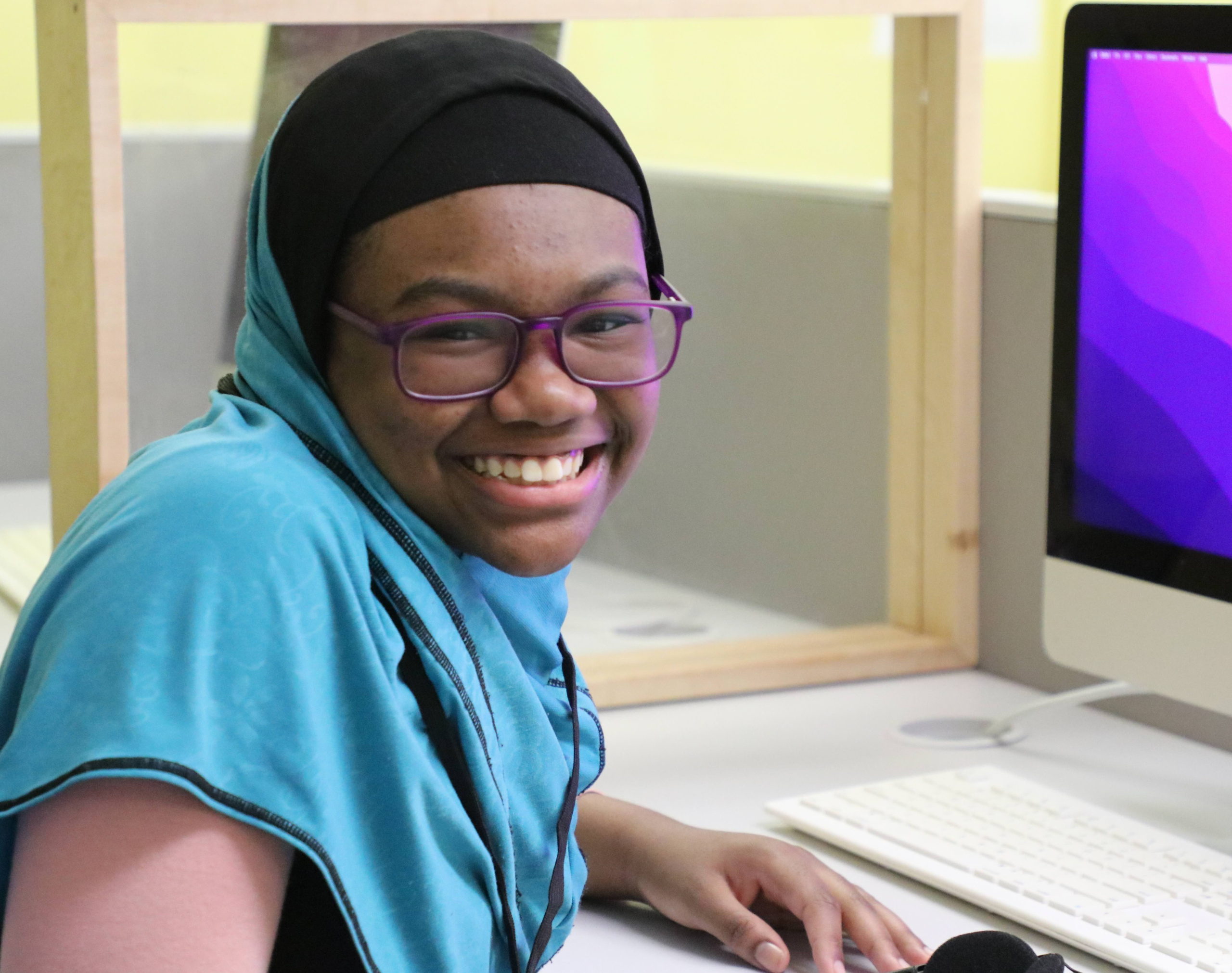
Where Technology Meets Guidance and Care
Digital tools have expanded opportunity. For students experiencing homelessness, however, technology has only been as effective as the systems surrounding it.
Devices, platforms, and connectivity matter—but they matter most when paired with thoughtful policy, community-based supports, and trusted adults who help young people navigate both the benefits and risks of digital life. From school phone policies that restore in-person connection to libraries and teen centers that offer technology alongside belonging, solutions are already emerging.
Policymakers are beginning to respond as well. In New York, Governor Kathy Hochul has made youth digital safety a priority, advancing legislation that requires warning labels on addictive social media features—a signal that concerns about technology’s impact on mental health are no longer being dismissed. But policy alone cannot address what students need day to day.
As Jessica James noted, young people also need “more opportunities to engage with the world offline and to engage with the people around them”—time and space for recreation and community connection that remind them of the value of being present with one another. Technology access is beneficial for students in temporary housing, but it cannot stand alone; meaningful in-person connection must be part of the equation.
Momentum exists. The programs working best today share a common thread: they are human-centered. They recognize that while technology can be taught, guided, and regulated, it is relationships—not devices—that ultimately help students thrive. With continued investment in community-based solutions, technology can support—not undermine—the well-being of students navigating homelessness. And that future is already beginning to take shape.
Mary Cummings is the Associate Director of Communications at ICPH and HFH in New York City / ICPH.org, HFHnyc.org
Note: Resources and references appear at the bottom of this page and in the downloadable PDF below the Table of Contents.
Coming Soon … Undercounted and Underserved: Students Experiencing Homelessness in the U.S.
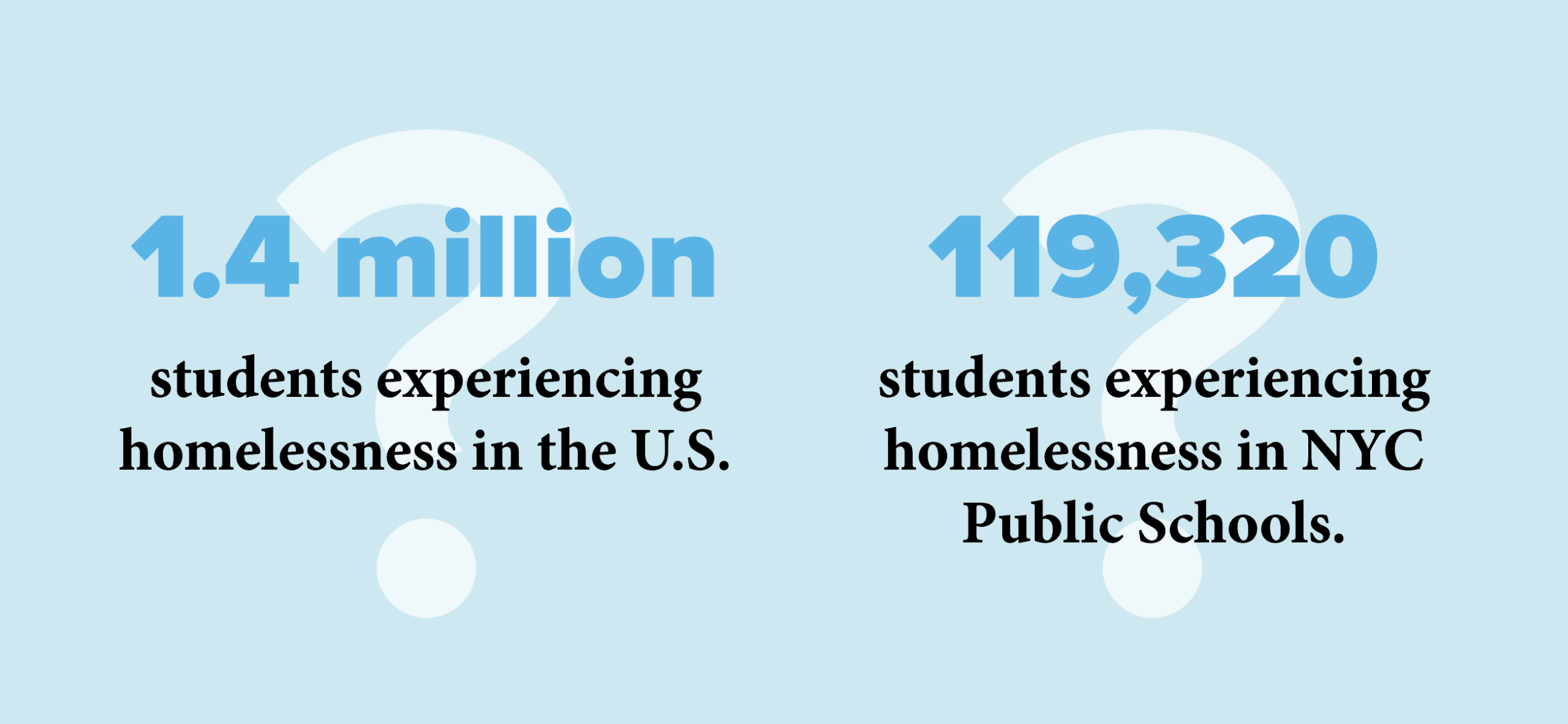
Advocates and past research indicate that official counts of student homelessness may be undercounted. With this premise in mind, authors of ICPH’s upcoming report, Undercounted and Underserved: Students Experiencing Homelessness in the U.S., take a look at alternate methods of identifying student homelessness in the hopes that, once identified, more students will receive the supports they need. To ensure you receive your copy of the report, sign up for ICPH’s newsletter.
Resources and References
The Foundation Years: Ensuring Educational Access For Young Children Experiencing Homelessness
- https://schoolhouseconnection.org/article/2025-fact-sheet-educating-children-and-youth-experiencing-homelessness
- https://schoolhouseconnection.org/article/infant-and-toddler-homelessness
- https://schoolhouseconnection.org/article/young-children-experiencing-homelessness-an-overview
- https://washingtonstatestandard.com/2024/04/30/homelessness-on-the-rise-among-washingtons-k-12-students/
- https://erdc.wa.gov/publications/student-outcomes/education-outcomes-children-and-youth-experiencing-homelessness
- https://www.nlc.org/article/2024/01/30/how-does-homelessness-impact-child-health-and-developmental-outcomes/
- https://www.healthaffairs.org/doi/10.1377/hlthaff.2019.00090
- https://shnny.org/uploads/Homelessness_and_Its_Effects_on_Children.pdf
- https://www.earlyyearsnc.org/wp-content/uploads/CCSA_2021_An_Invisible_Crisis_Early_Childhood_Homelessness_A_Primer.pdf
- https://acf.gov/ecd/interagency-projects/ece-services-for-homeless-children
- https://schoolhouseconnection.org/article/supporting-infants-toddlers-and-families-experiencing-homelessness-strategies-for-early-childhood-development-providers
- https://schoolhouseconnection.org/article/one-page-summary-of-access-to-early-learning-for-children-experiencing-homelessness-birth-to-five
- https://nche.ed.gov/data-and-stats/
- https://youth.gov/youth-topics/homelessness-and-housing-instability/education
- https://www.tacomahousing.org/wp-content/uploads/2021/06/Urban-Institute-THA-Homelessness-and-Education-2014-12-22.pdf
Childhood Milestones and Missed Moments: What Homelessness Interrupts and How Support Programs Help Restore Them
- https://e1.nmcdn.io/assets/schoolhouse/wp-content/uploads/2025/06/Educating-Children-and-Youth-Experiencing-Homelessness-2025-Fact-Sheet.pdf
- https://doi.org/10.1186/s12888-021-03142-0
- https://cccnewyork.org/press-and-media/number-of-homeless-new-york-city-public-school-students-reaches-a-new-high/
- https://crane.osu.edu/our-work/absenteeism-in-elementary-school-has-wide-ranging-consequences-especially-for-minoritized-children/#:~:text=ABOUT%20THE%20BRIEF,the%202021%2D22%20school%20year.
From High School to Higher Education: Closing the Gaps for Students Experiencing Homelessness
- https://www.ed.gov/media/document/student-homelessness-america-school-years-2020-21-2022-23-108414.pdf
- https://journals.sagepub.com/doi/10.1177/0003122410363567
- https://schoolhouseconnection.org/article/mckinney-vento-act-quick-reference
- https://www.gao.gov/products/gao-16-343
- https://schoolhouseconnection.org/article/the-fafsa-simplification-act-youth-experiencing-homelessness-and-youth-with-experience-in-foster-care
- https://www.ncan.org/page/NationalFAFSACompletionRatesforHighSchoolSeniorsandGraduates
- https://schoolhouseconnection.org/fafsa
- https://www.youtube.com/watch?v=9V4jBAAs_8A&t=2134s
- https://osse.dc.gov/page/higher-education-college-starter-kits
- https://iyspp.sde.idaho.gov/federal-programs/homeless/files/college-starter/College-Starter-Kit-Program-Information.pdf
- https://schoolhouseconnection.org/article/state-laws-supporting-college-students-experiencing-homelessness
- https://www.csulb.edu/student-affairs/basic-needs
- https://ir.library.louisville.edu/jsfa/vol52/iss1/3/
- https://docs.google.com/forms/d/1aovOEG_1P99bwx-2U-_54m5rUHhVn1_HL9oovilEia0/viewform?edit_requested=true
- https://schoolhouseconnection.org/article/want-to-help-students-experiencing-homelessness-go-to-college-take-them-there
- https://admissions.colostate.edu/visits-events/independent-student-visit-day/
- https://www.wcupa.edu/financialAid/promiseprogram.aspx?gad_source=1&gad_campaignid=20822782492&gbraid=0AAAAADtMfX1Kfjr1k8AdBAhVLllK9dDpu&gclid=CjwKCAiAl-_JBhBjEiwAn3rN7fzg5ZISzZx2GiuqMp3apiCgQMpfKclrGOxKWdm6MsN2nbBwf8m-ZRoCxEgQAvD_BwE
- https://campus.kennesaw.edu/current-students/student-affairs/wellbeing/care-services/ascend-program.php
- https://care.fsu.edu/UnconqueredScholars
Tech on the Tightrope: Balancing Access and Risk for Students Experiencing Homelessness
- https://www.schools.nyc.gov/learning/digital-learning
- https://www.nyc.gov/mayors-office/news/2025/09/mayor-adams-to-distribute-350-000-free–brand-new-chromebooks-wi
- https://www.schools.nyc.gov/learning/special-education/supports-and-services/assistive-technology
- https://www.schools.nyc.gov/learning/special-education/the-iep-process/the-iep
- https://www.chalkbeat.org/newyork/2025/09/08/nyc-students-get-350000-chromebooks-to-bridge-digital-divide/
- https://www.nyc.gov/site/mayorspeu/resources/affordable-connectivity-program.page
- https://ibo.nyc.ny.us/iboreports/Programs-At-Risk-Education-Budget-Jan2024.pdf
- https://www.nysed.gov/sites/default/files/title-i-part-a-allowable-expenditures-for-homeless.pdf
- https://www.schools.nyc.gov/learning/digital-learning/ipads-and-laptops/free-and-low-cost-internet-options
- https://pmc.ncbi.nlm.nih.gov/articles/PMC10259090/
- https://gothamist.com/news/many-nyc-homeless-shelter-residents-cant-access-wi-fi-2-new-bills-hope-to-change-that
- https://www.tandfonline.com/doi/full/10.1080/07380569.2024.2322167
- https://www.anxiousgeneration.com/book
- https://comptroller.nyc.gov/reports/classrooms-counselors-clinics/
- https://arxiv.org/pdf/2409.06011
- https://www.edweek.org/technology/which-states-ban-or-restrict-cellphones-in-schools/2024/06
- https://www.schools.nyc.gov/about-us/policies/cell-phone-and-electronic-device-policy
- https://www.schools.nyc.gov/school-life/special-situations/students-in-temporary-housing
- https://www.nypl.org/spotlight/teen-centers
- https://www.governor.ny.gov/news/governor-hochul-signs-legislation-require-warning-labels-social-media-platforms#:~:text=To%20combat%20the%20mental%20health,safer%20digital%20environment%20for%20kids